Projects in Motion
ASEE CP12
I am proudly serving as the ASEE Commission on P12 Engineering Education’s Chair for 2023-2026. This year, we are hosting a conference for P-12 teachers in Charlotte! Come give a presentation or attend as a teacher for free. We are seeking sponsors to support this effort. Please find more information on CP12’s website.
ULRI launched the Standards Academy in 2025 to teach undergraduate students and their professors about safety standards. I help by writing case studies for students about various ULSE Safety and Sustainability Standards.
Engineering Navigator
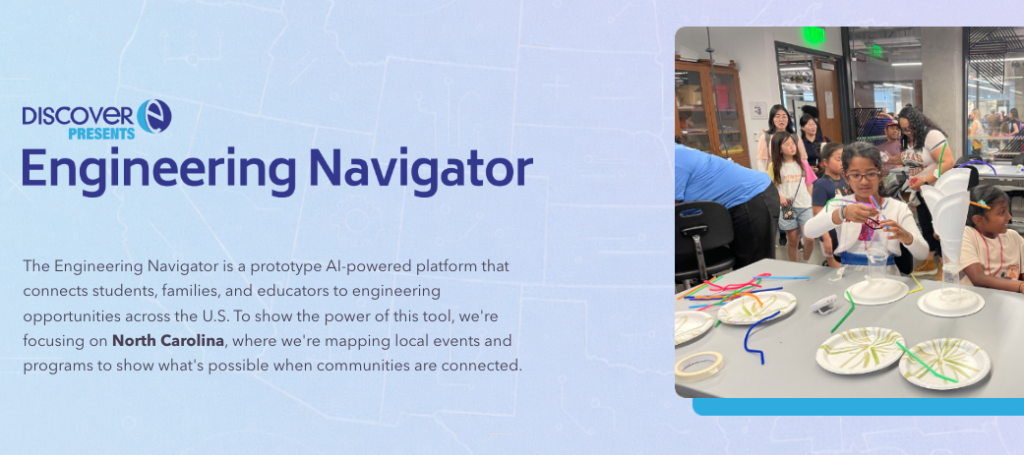
With funding from UEF, I’ve helped spearhead DiscoverE’s cross-organizational effort, the Engineering Navigator, an AI-enhanced scraper and search bot that collects and shares PreK-20 engineering education opportunities with students, teachers, and parents.
Future City Fellowship
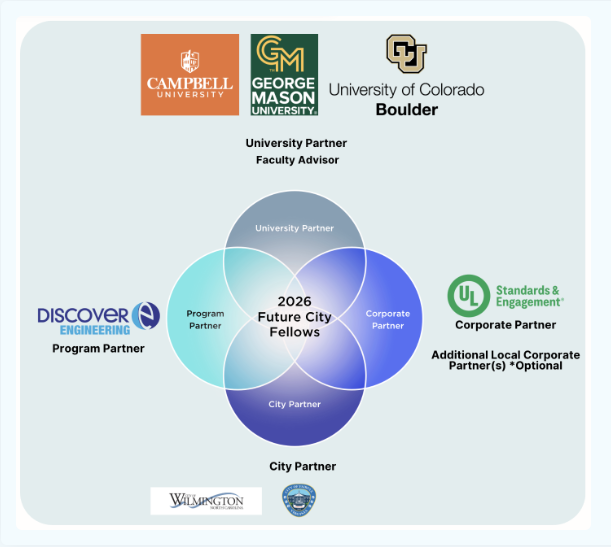
During the Future City Fellowship, an interdisciplinary undergraduate team will act as consultants to a partner city, informing its electrification strategy and incorporating technical standards from Underwriters Laboratories Research Institute’s Standards Academy. Teams have six months to research, design, and iterate on a proposal to advance electrification for the client.
e4usa Professional Learning Team
I could not be more proud to join the e4usa community as a professional learning specialist for five school years, 2021 to 2026. Along with our astonishing teachers, I’m learning from the e4usa team’s experts in engineering education as I support the teachers and the coaches in this NSF-funded effort to bring engineering opportunities to all USA high school students. All schools and teachers are welcome to apply–even history, music, or math teachers!
SOTL ACCELERATOR
Dr. Lisa Bosman (Purdue University) and I began the SoTL Accelerator in 2022. Our first four cohorts of engineering faculty learned Developing the Entrepreneurial Mindset in Engineering Students through a Perspective-Taking Approach.
The SoTL Accelerator can be applied to teaching faculty a wide variety of skills while always emphasizing student-centered instruction and faculty dissemination through scholarly publication.
STEM curriculum
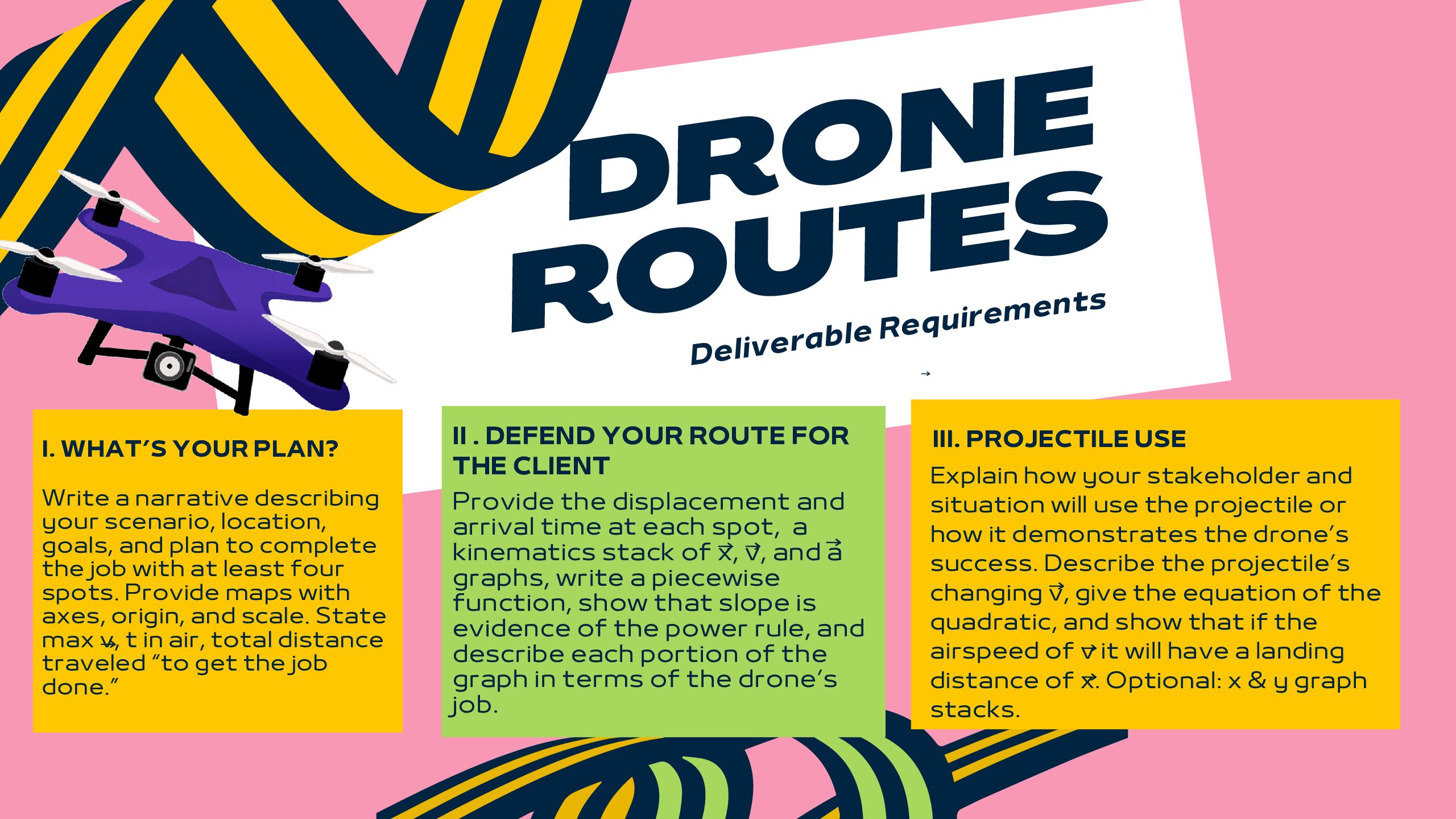
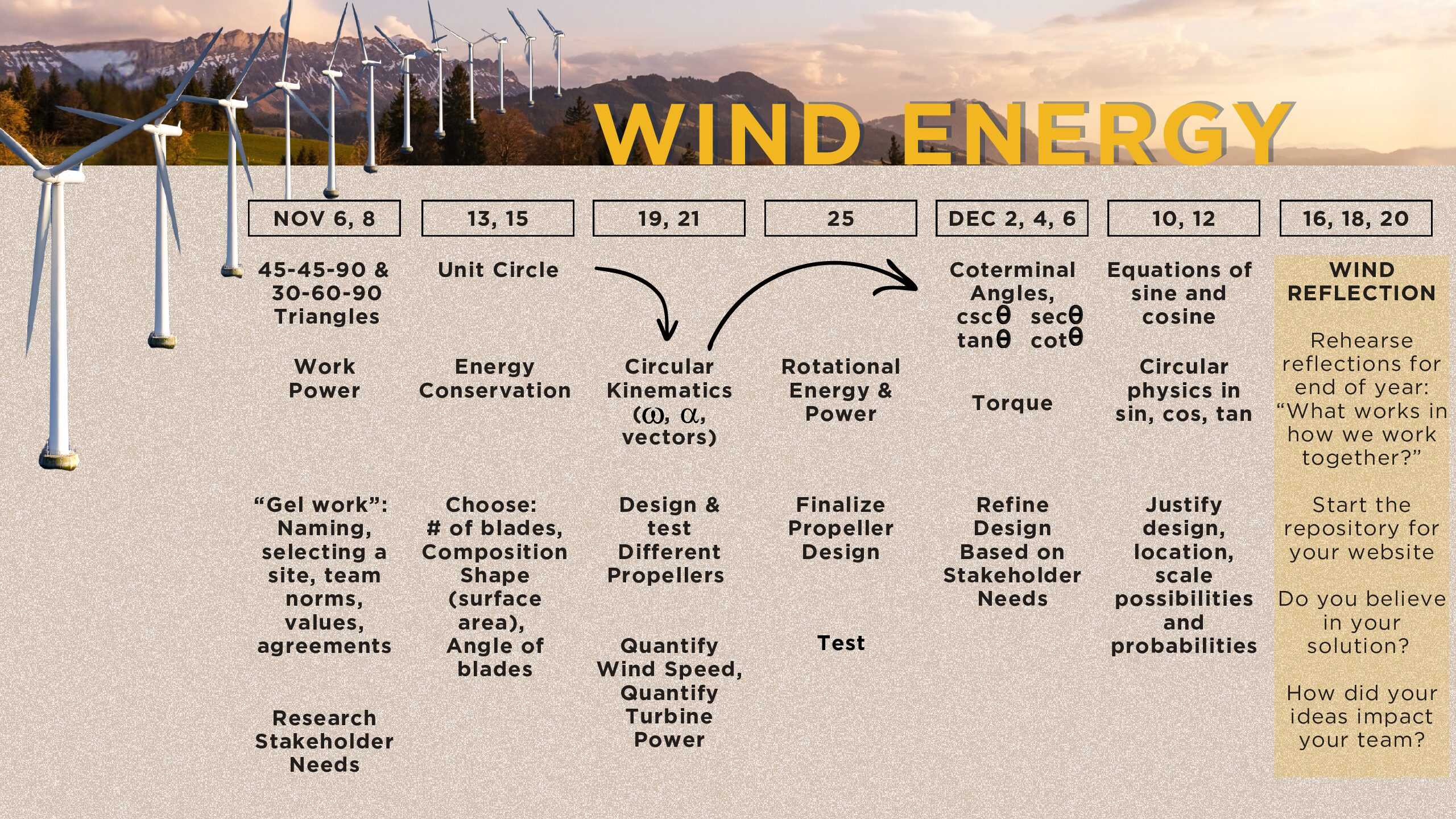
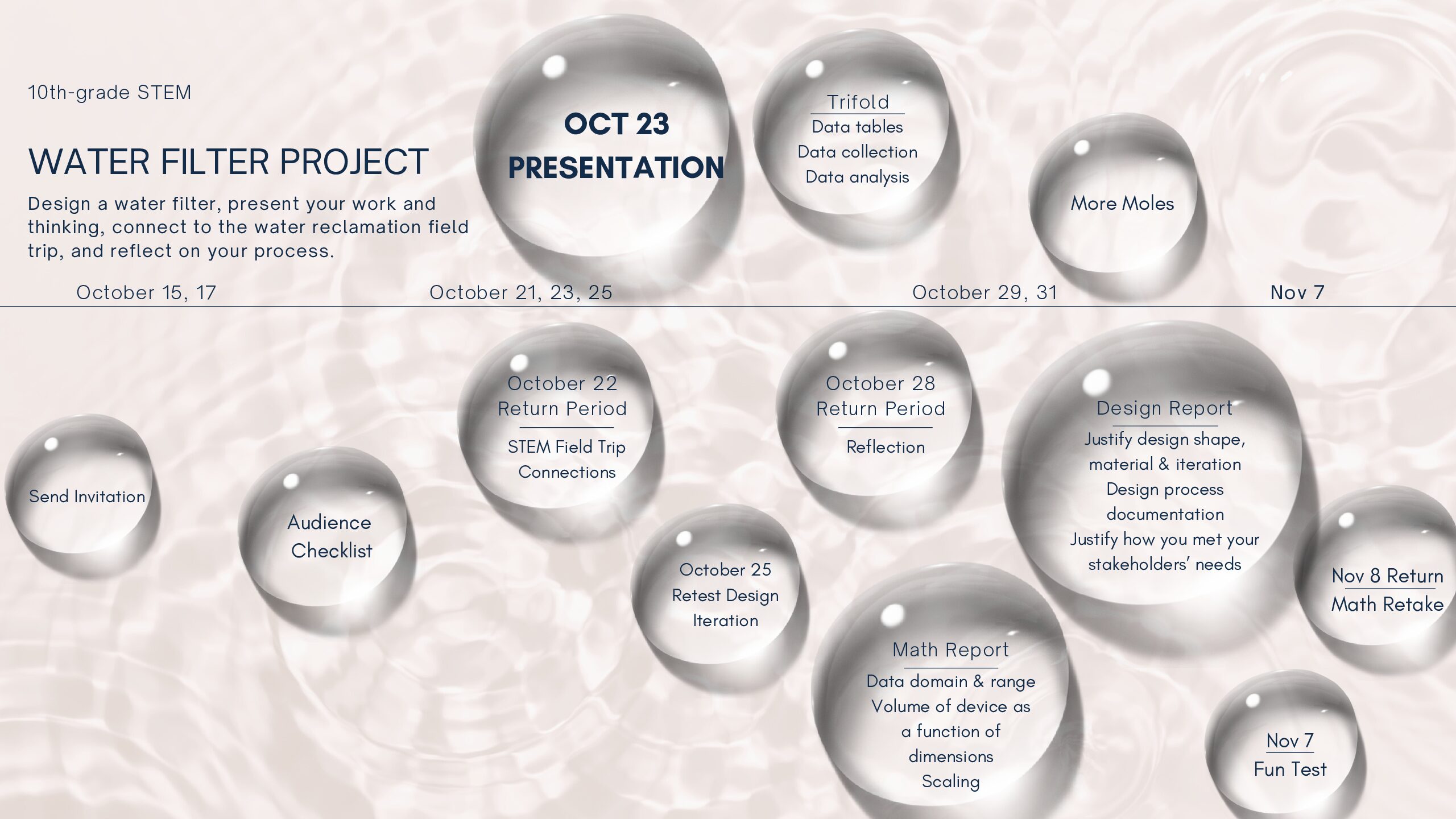
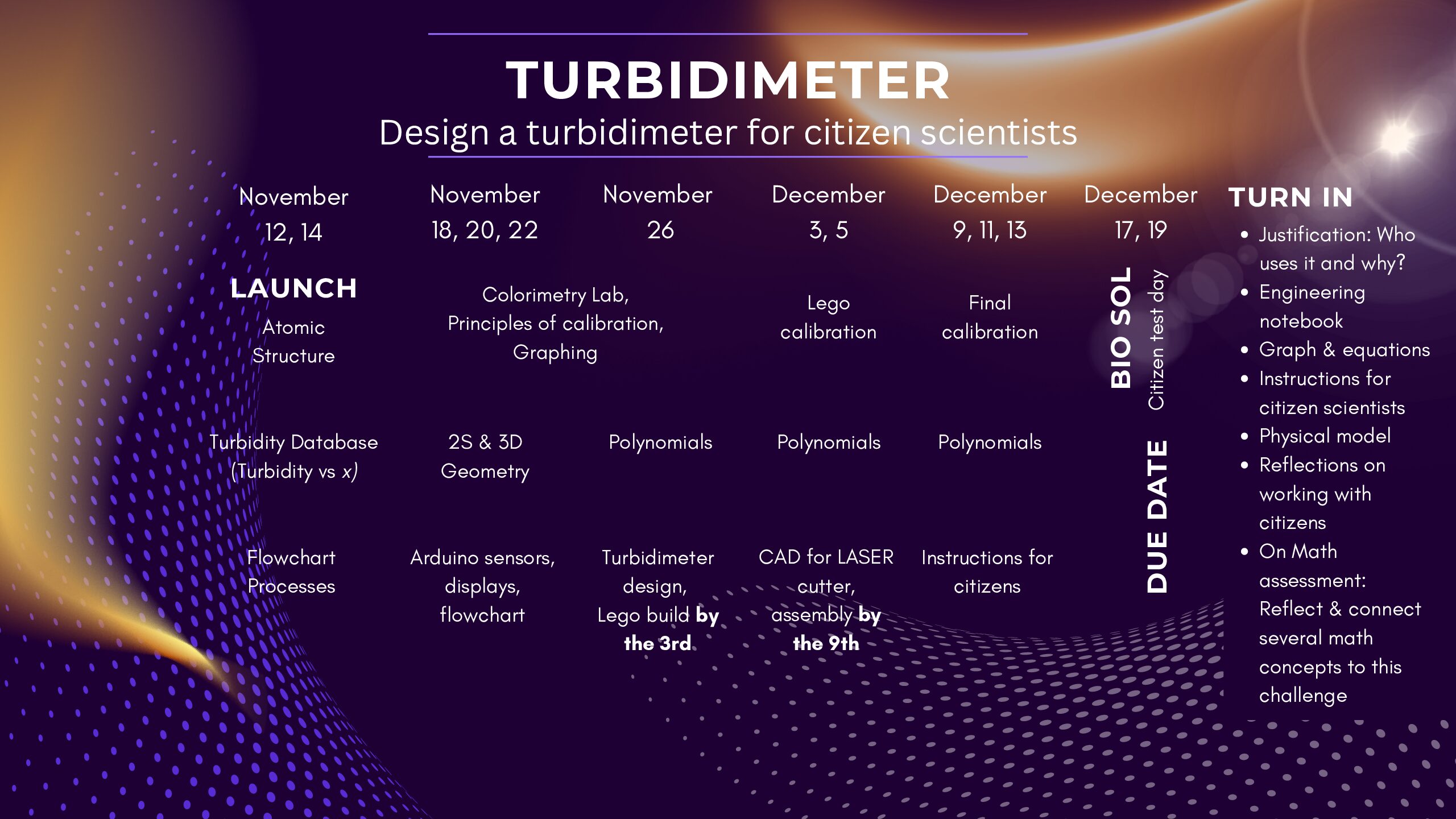
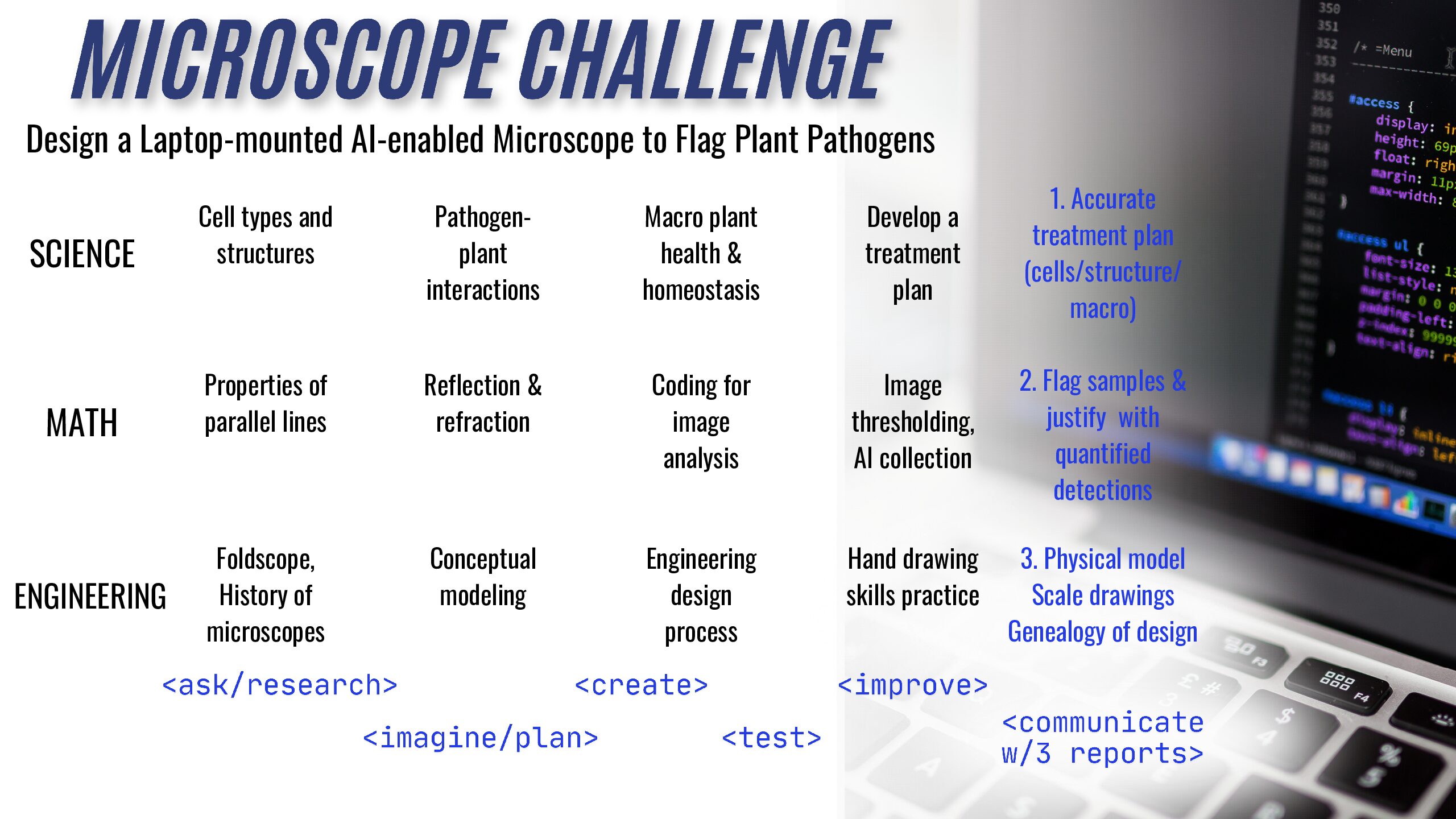
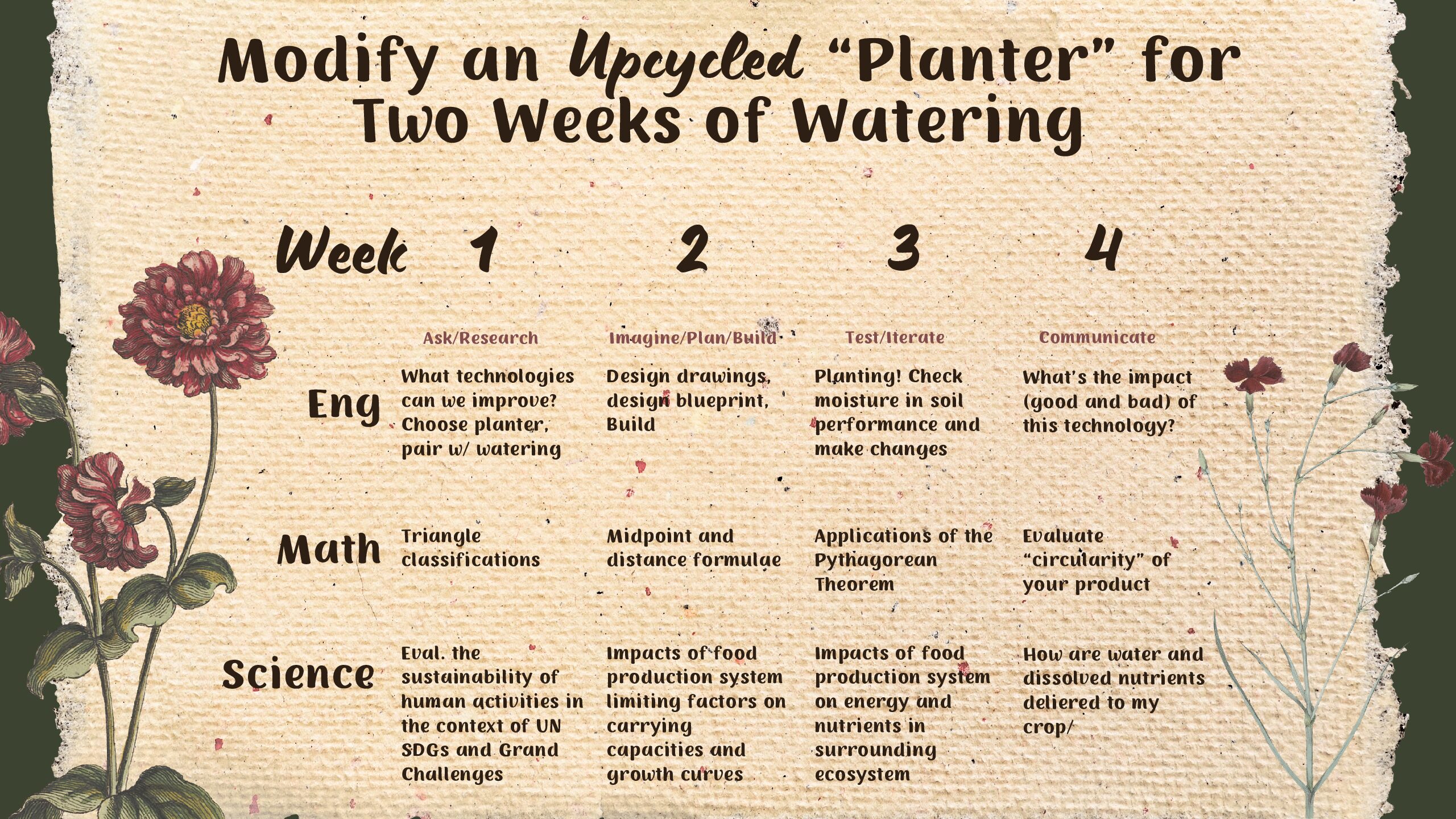
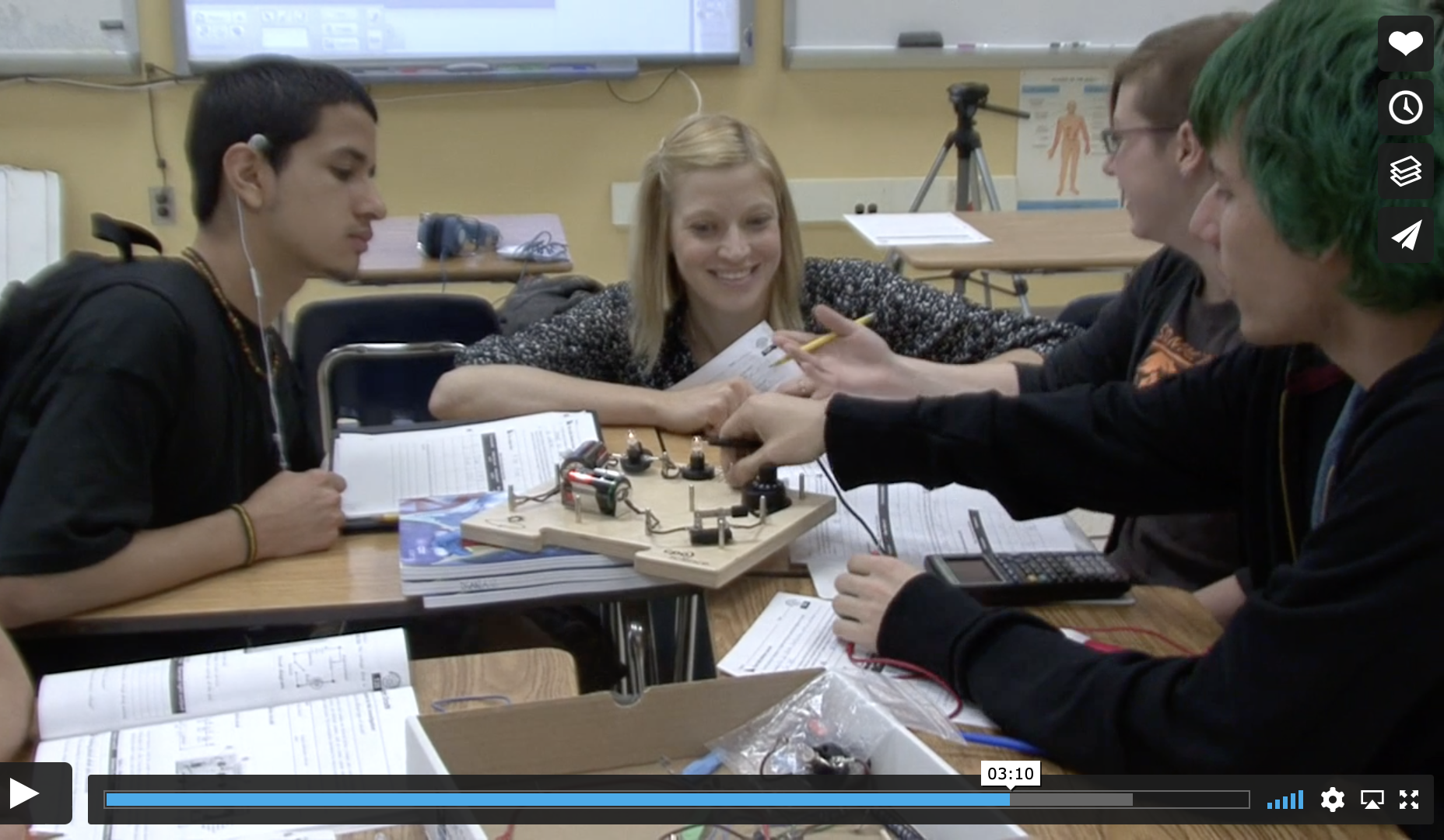
Sine 2017, I’ve been supporting Fairfax County Public Schools’ Global STEM Challenges Program based on the Grand Challenges for Engineering in the 21st Century. The teacher team and I design integrated Geometry, Algebra II, and Pre-calculus, Biology, Chemistry, and Physics, in combination with engineering design and technology, over three years of high school. See samples of the curriculum we co-develop in the Blog & Videos section below.
Blog and videos
What Does "Integrated Instruction" Mean to You?
STEAM integration, like any multidisciplinary teaching integration, can vary. Taking the perspective of how teachers integrate in practice, I like to think of integration on a spectrum from “we planned together and did it separately” all the way up to “learning these topics, and demonstrating what you’ve learned, depends on both topics at the same time. They can’t be unlinked.” The planning workshop below demonstrated the necessity of planning for a fully integrated lesson, making educators feel responsible and engaged in the process. Posted May 14, 2025.
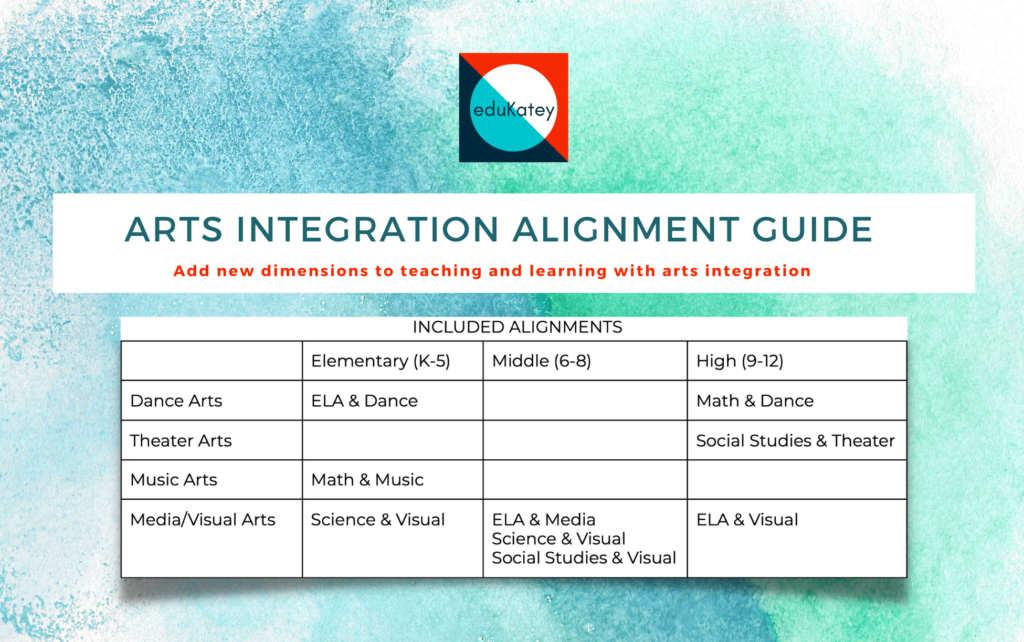
Add new dimensions to teaching and learning with arts integration
Welcome to arts integration! Arts integration means including visual, theatrical, dance, and music arts learning alongside core content learning. Arts integration can support your instruction by making learning more relevant to your students (Yang, 2009), capturing their interest, exciting more parts of their brain, and constructing a deeper understanding of both the arts and core content (Silverstein and Layne, 2010). The art practices of creating, performing, responding, and connecting, when used in harmony with other content learning, can help your students develop and expand their critical thinking, character, and organizational skills, including communication, reasoning, and teamwork, as well as other essential 21st-Century skills. Posted Sept 20, 2021.
See the alignments here.
Semester 1 Integrated STEM Plans
Returning to Edison STEM this month, we quickly rolled out six updated lessons for Global STEM Challenges Students. It’s a joy to see these colleagues and celebrate my ninth year with Global STEM. Contact me to learn more about our process and products. Posted Oct 21, 2024


Integrated STE(A)M Lessons Using Minnesota Content Standards
Structures and Planning Workshop
What fun to work with Minnesota educators again! Did we really connect adaptation to futurism in a lesson plan? We did. Final integrated Biology and Art lesson plan: “Compare the futurism qualities of a surviving moth camouflage versus the non-survivors, applying what you learned to a different species. Show both graphs.” Posted March 11, 2025
Standards integrated:
- NGSS HS-LS4-3. Apply concepts of statistics and probability to support explanations that organisms with an advantageous heritable trait tend to increase in proportion to organisms lacking this trait.
- National Core Arts Standards VA:Re8.1.Ia. Interpret an artwork or collection of works, supported by relevant and sufficient evidence found in the work and its various contexts.
View the recording below and the resources shared during the workshop:
Click here for the full transcript and teacher handout. Youtube also available. Posted November 15, 2021.
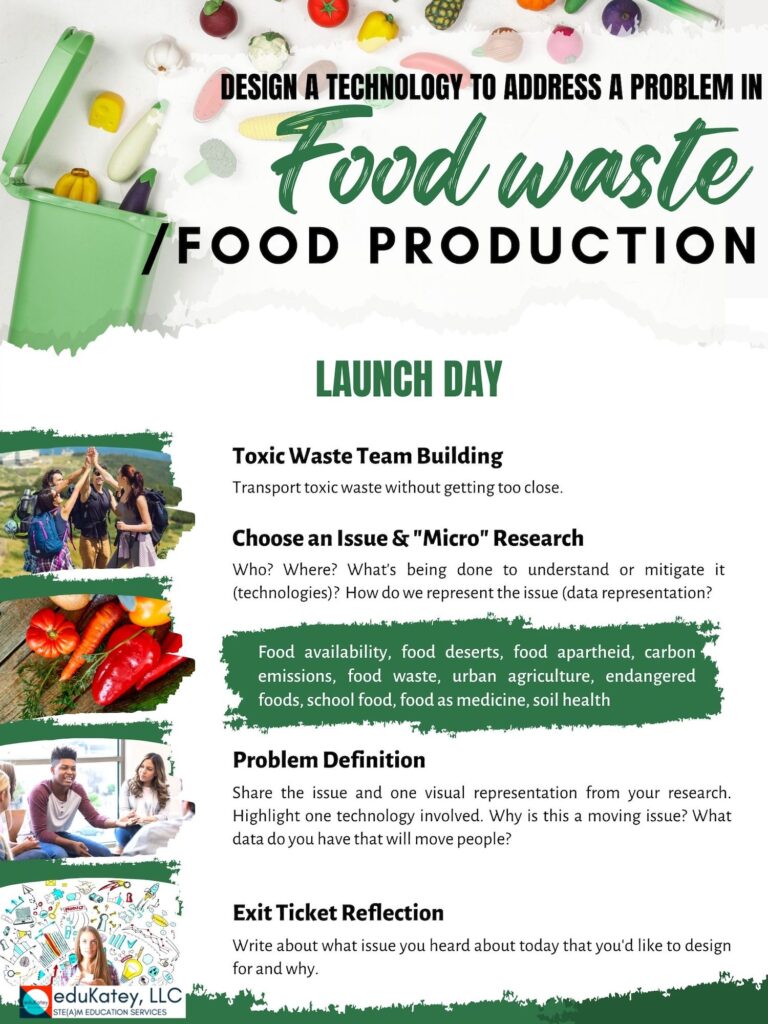
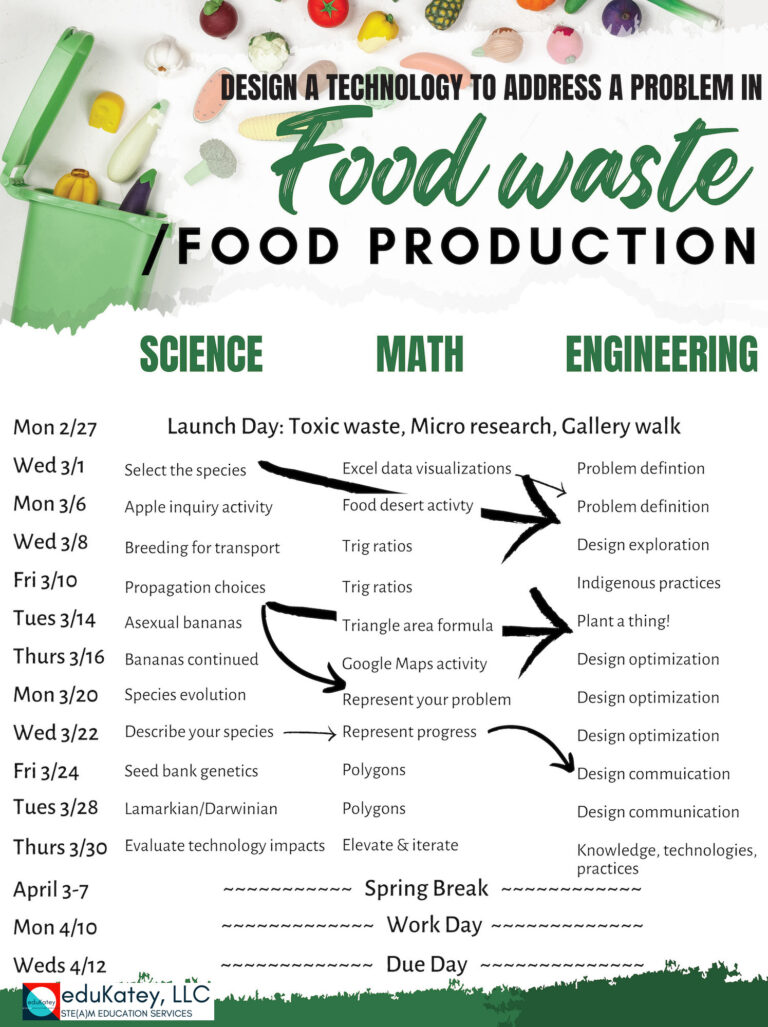
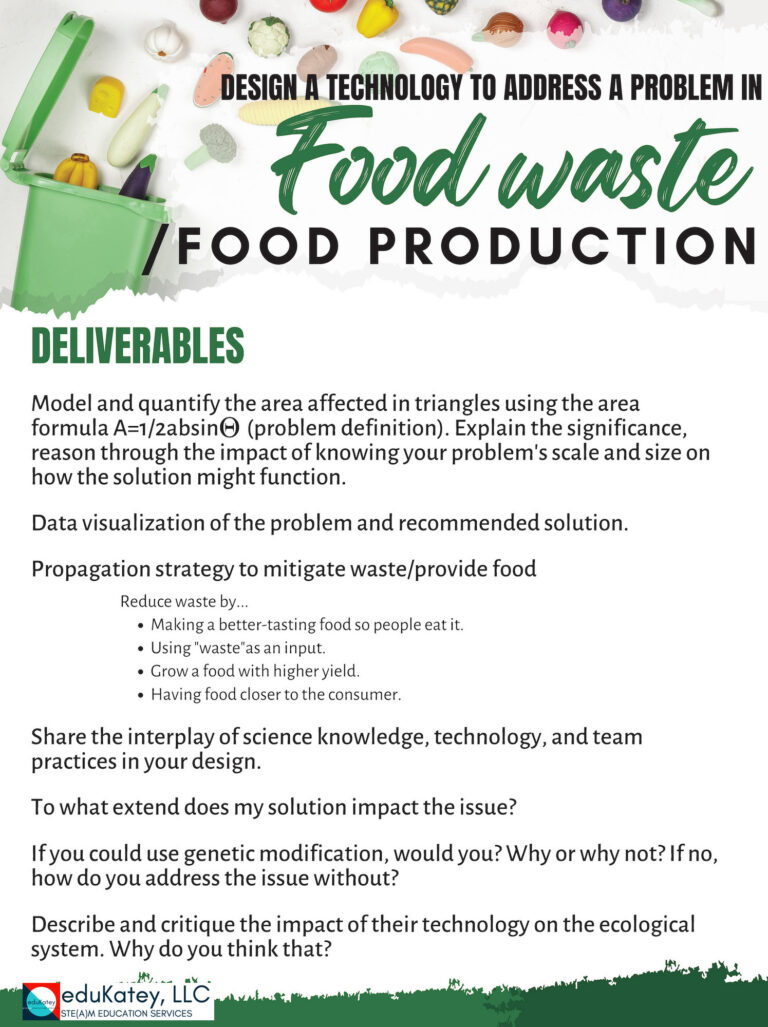
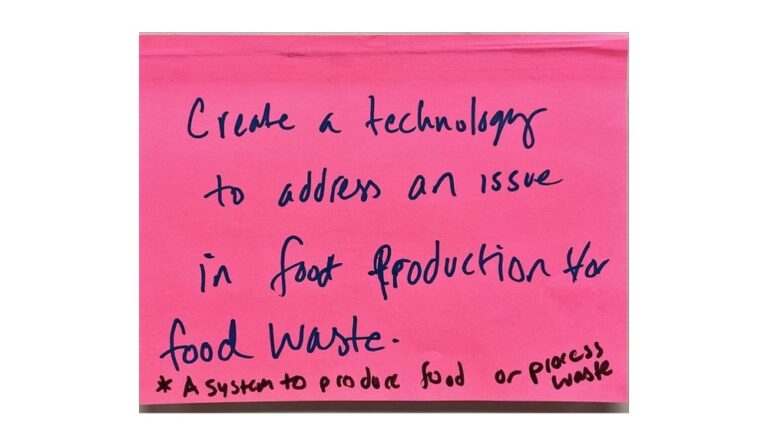
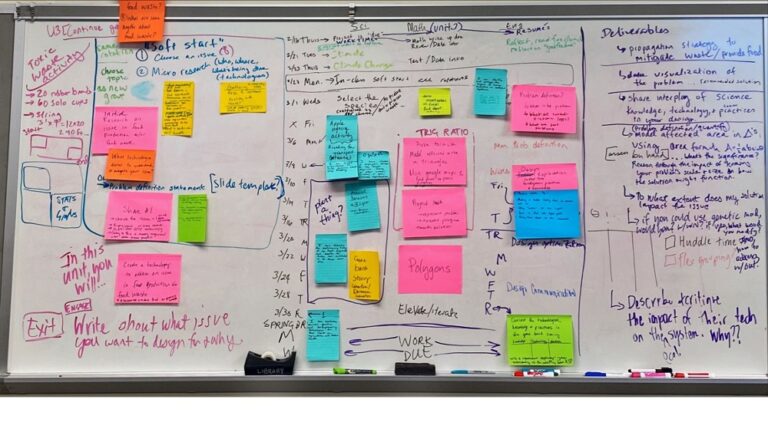
Food Waste/Food Production Challenge, Integrated STEM Unit Plan
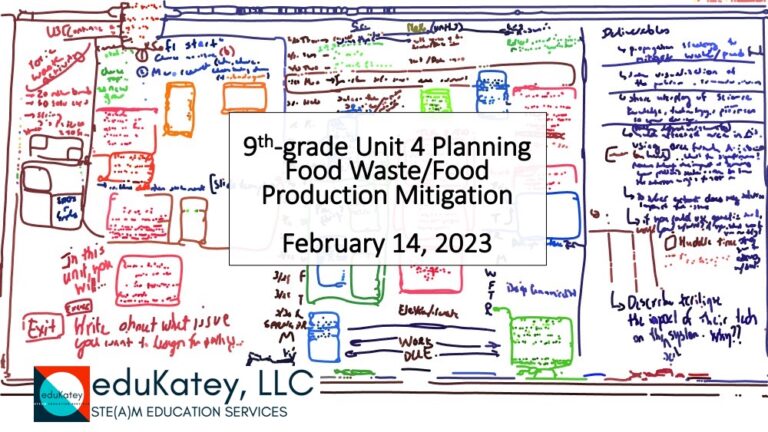
I’m back at work with the Global STEM Challenges Program at Edison High School in Fairfax, VA. The students are in Global STEM for 4.5 hours every other day for three years! Recently, their teachers and I co-planned a deeply integrated 9th-grade unit around food waste and production challenges. The day-long PD opportunity included teacher reflection, team strengthening, and of course, a solid PBL STEM unit plan from objectives to student deliverables, a launch day, and aligned teaching activities. Posted Feb 28, 2023.


ART & ARTIFACTS
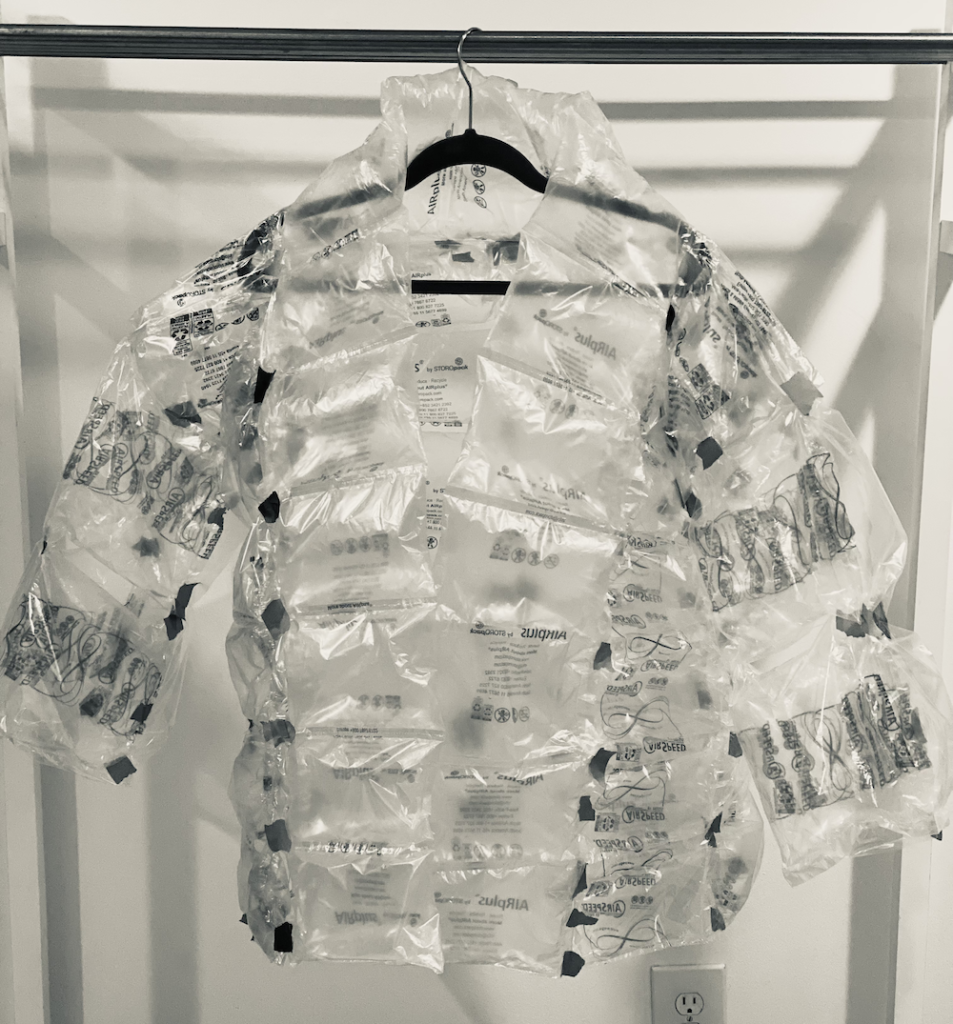
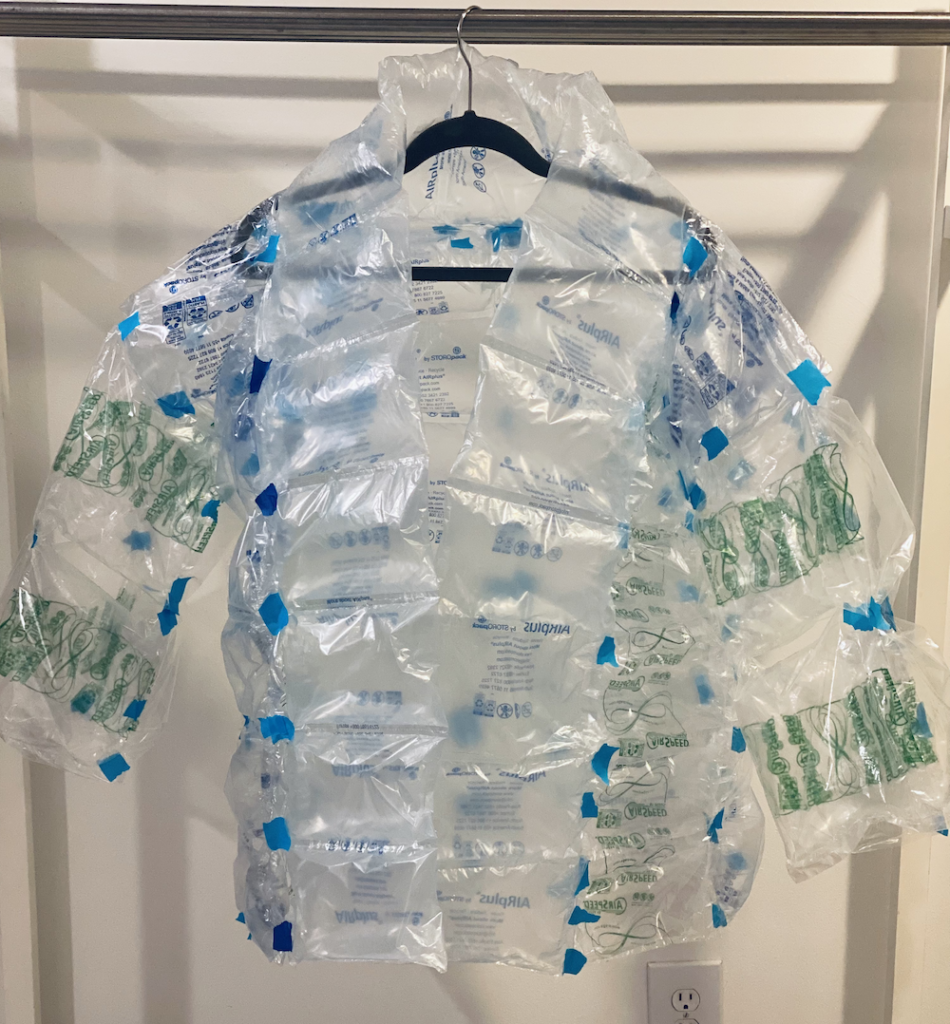
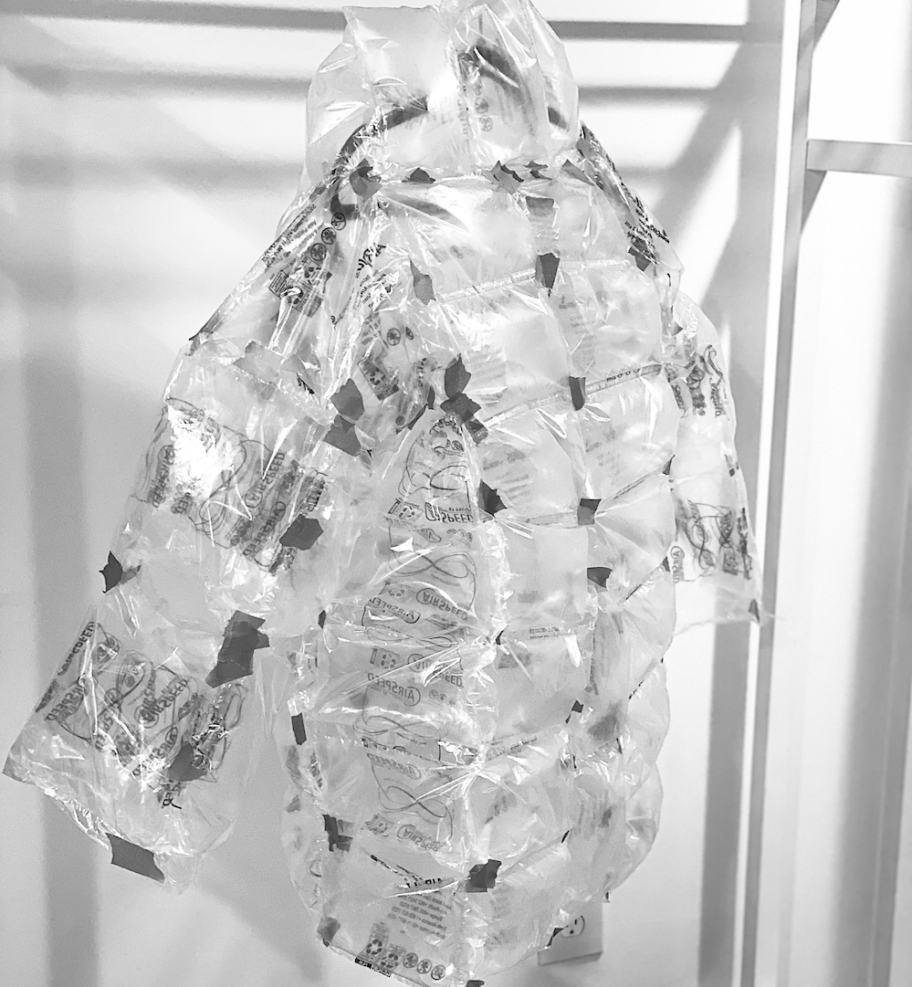
STANDARDS ALIGNMENT RECYCLED COAT, 2021
Illustration of a potential STEAM artifact which aligns two standards, one science and one art, in one model. This coat makes it clear that puffer coats rely on the insulating properties of air. And it is warm!
NGSS Engineering Design Grade 2 Standard: K-2-ETS1-2.
Develop a simple sketch, drawing, or physical model to illustrate how the shape of an object helps it function as needed to solve a given problem.
National Visual Arts Grade 2 Standard: VA:Cr2.3.2a
Repurpose objects to make something new.
INTEGRATED STEM ILLUSTRATIONS, 2020
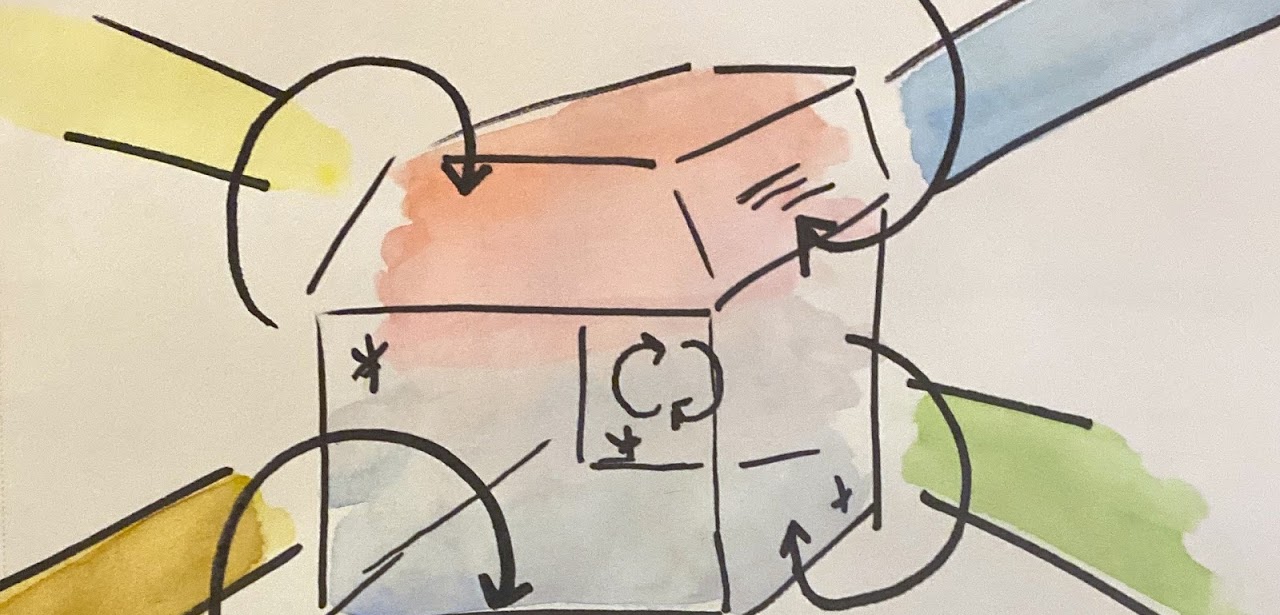
I am writing a book about integrated STEM instruction. What better way to show the interdisciplinary connections present in the example units than to illustrate them?
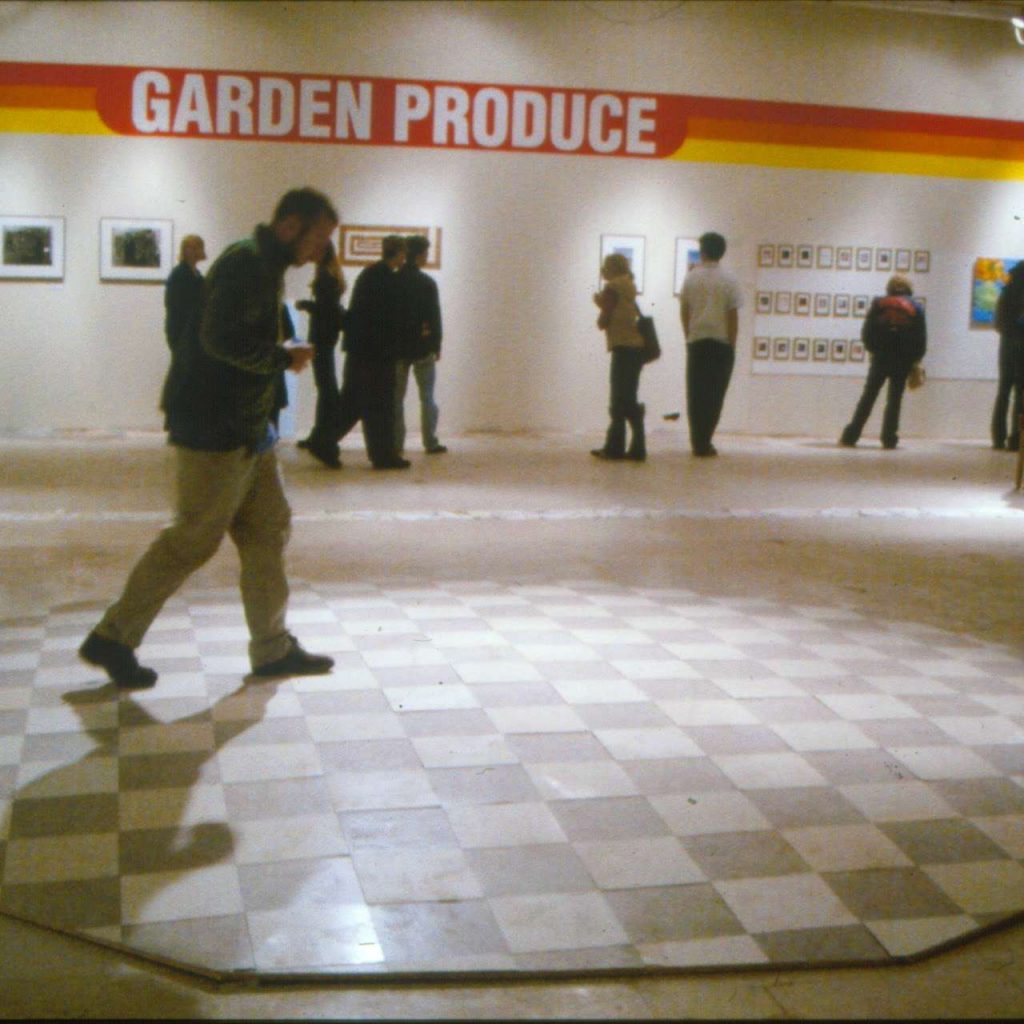
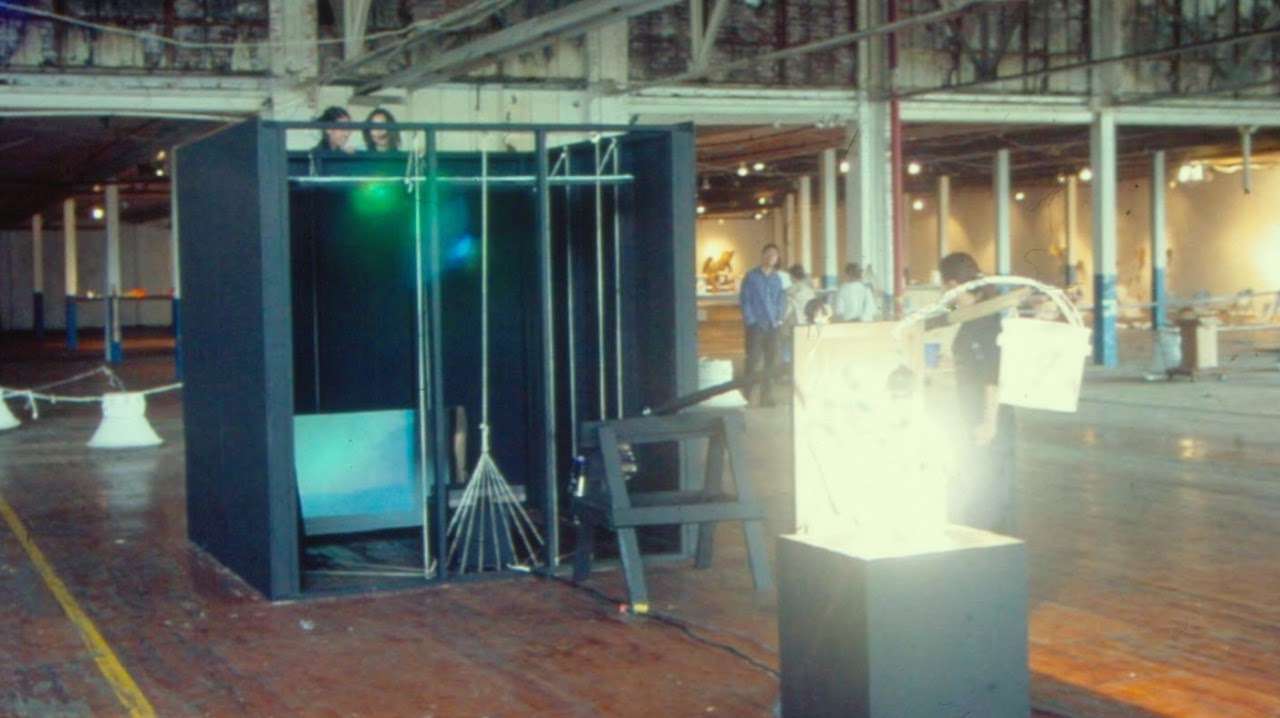
O2 H2O #1, 2003
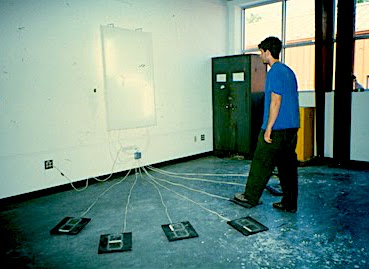
Light caused thermal gas expansion in a bottle and pushed water to a bucket on a lever which lowered the lever, released the strings, and lowered a scrim so that a projection of clouds came into focus from above. Installation view from the Ix Building, Charlottesville, VA.
P=⍴GH, 2003
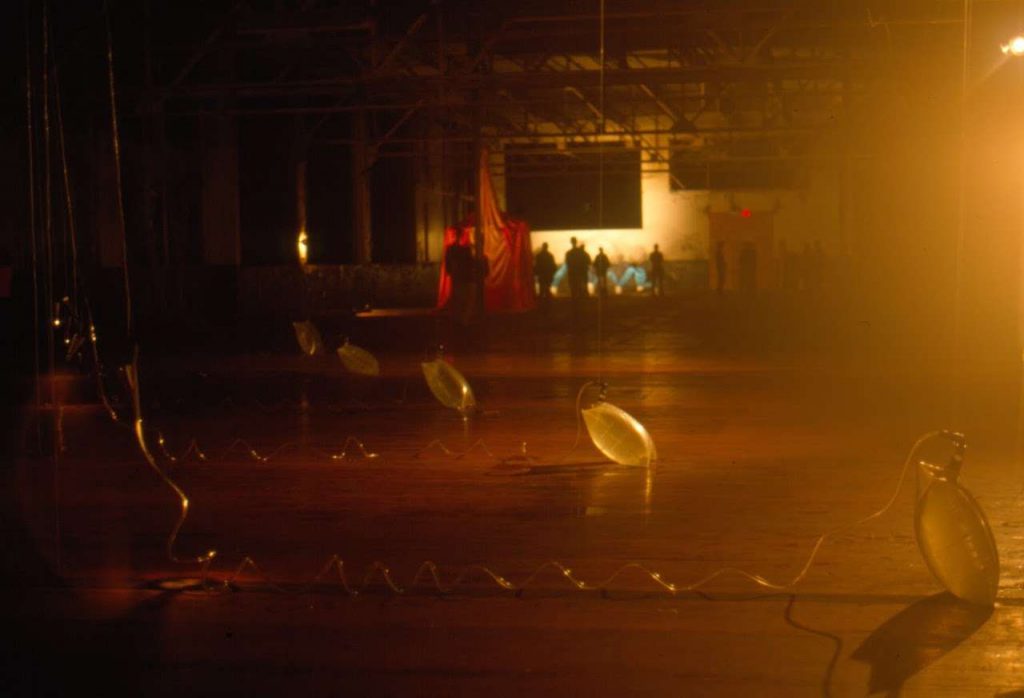
5 gallon soda syrup bags suspended from the ceiling popped when the column of water was raised to the ceiling. Installation at the Virginia Film Festival Fringe Art Show, Wet, in the Ix Building, Charlottesville, VA.
CARS, 2004
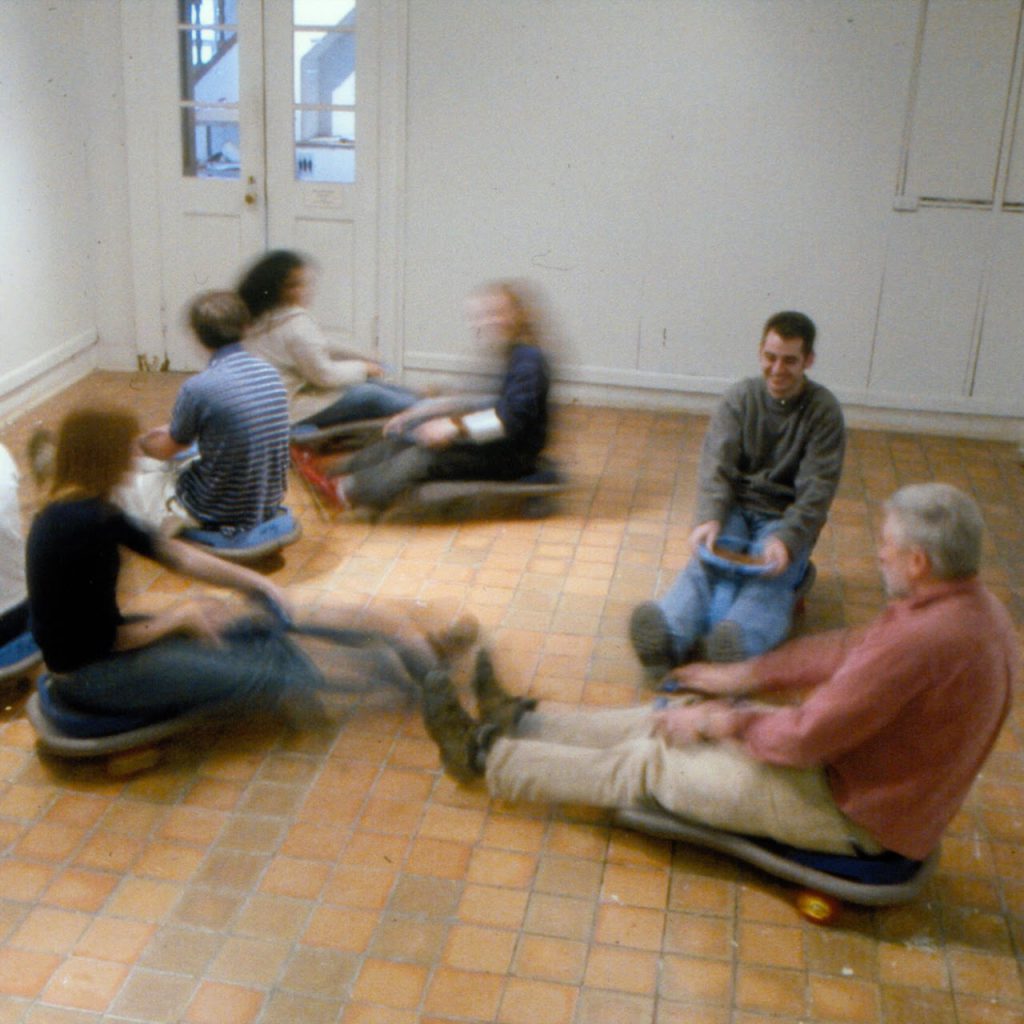
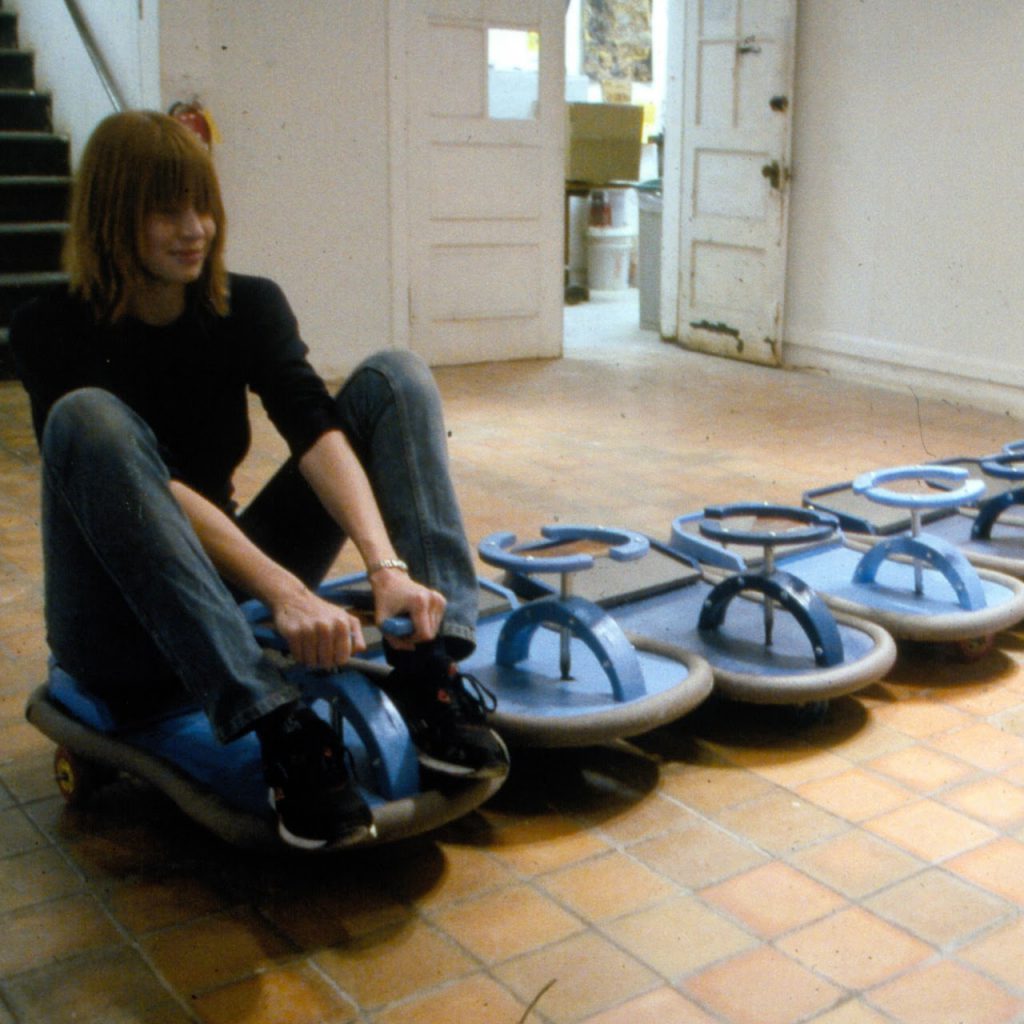
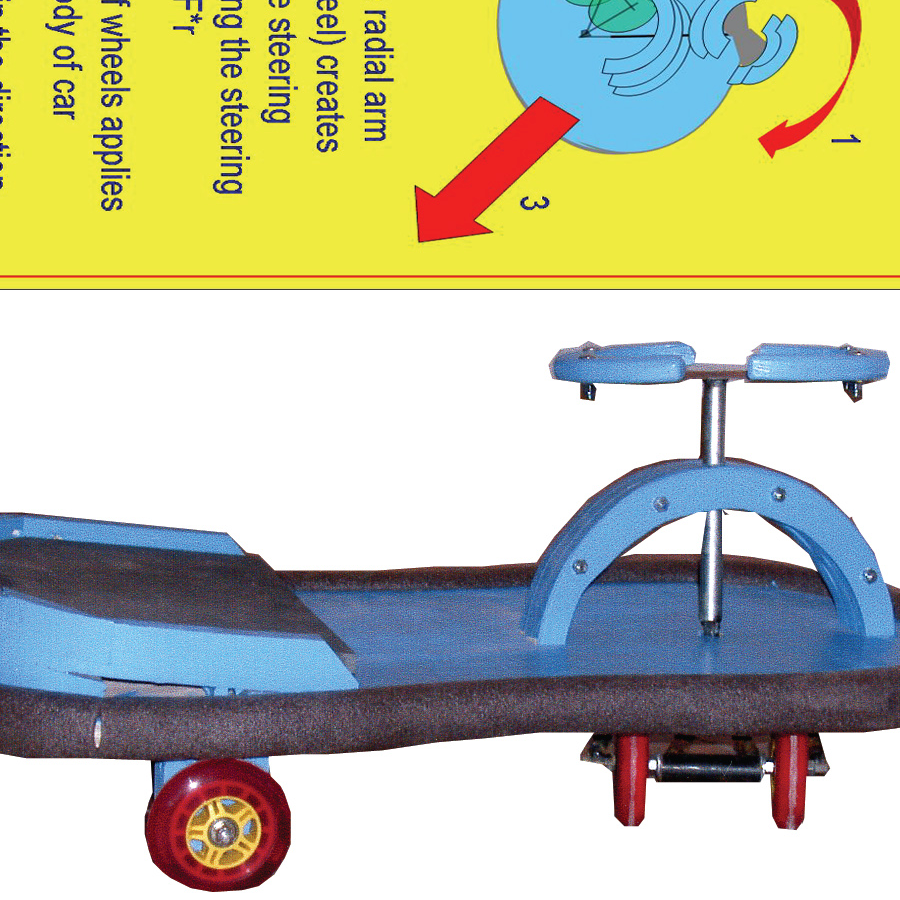
10 cars in two teams ready for battle or for teaching physics. Installation at Fayerweather Hall, UVA, Charlottesville, VA.
(X+18)2 + (Y-24)2 = 64: INFLATION, 2004
Y = SIN(X) DAMPED OSCILATOR, 2004
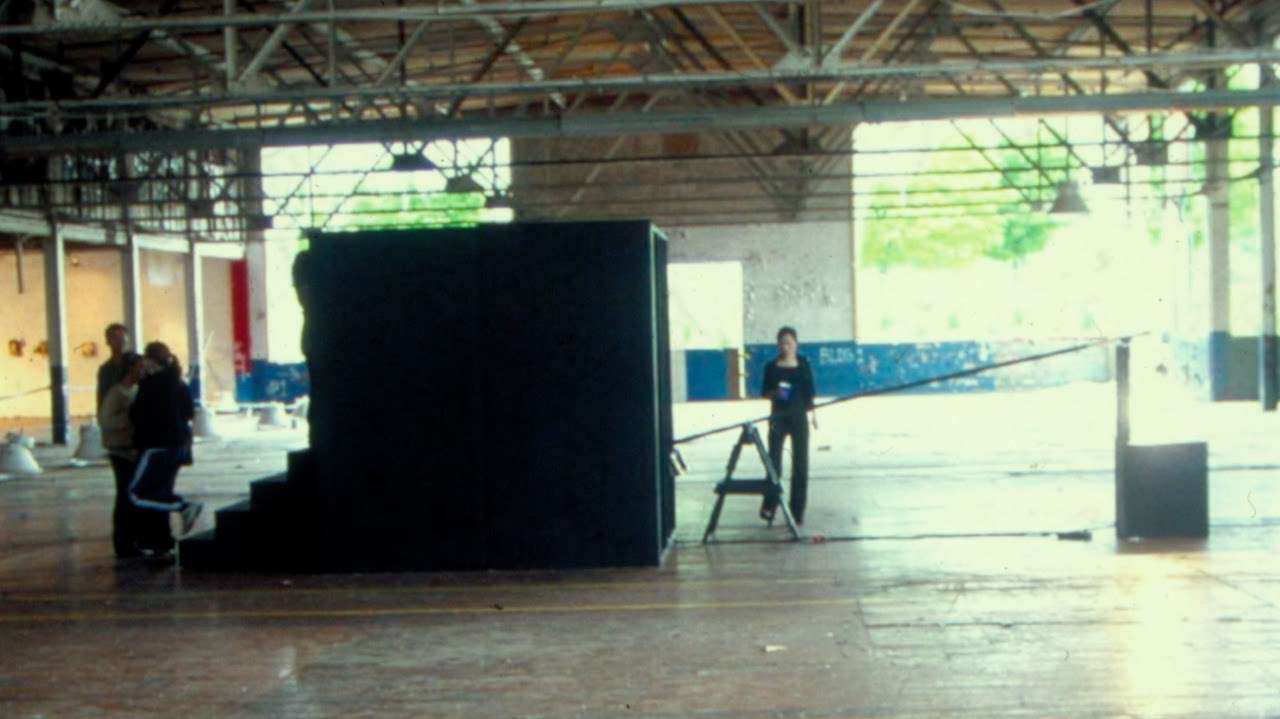
Y=SIN(X), 2004
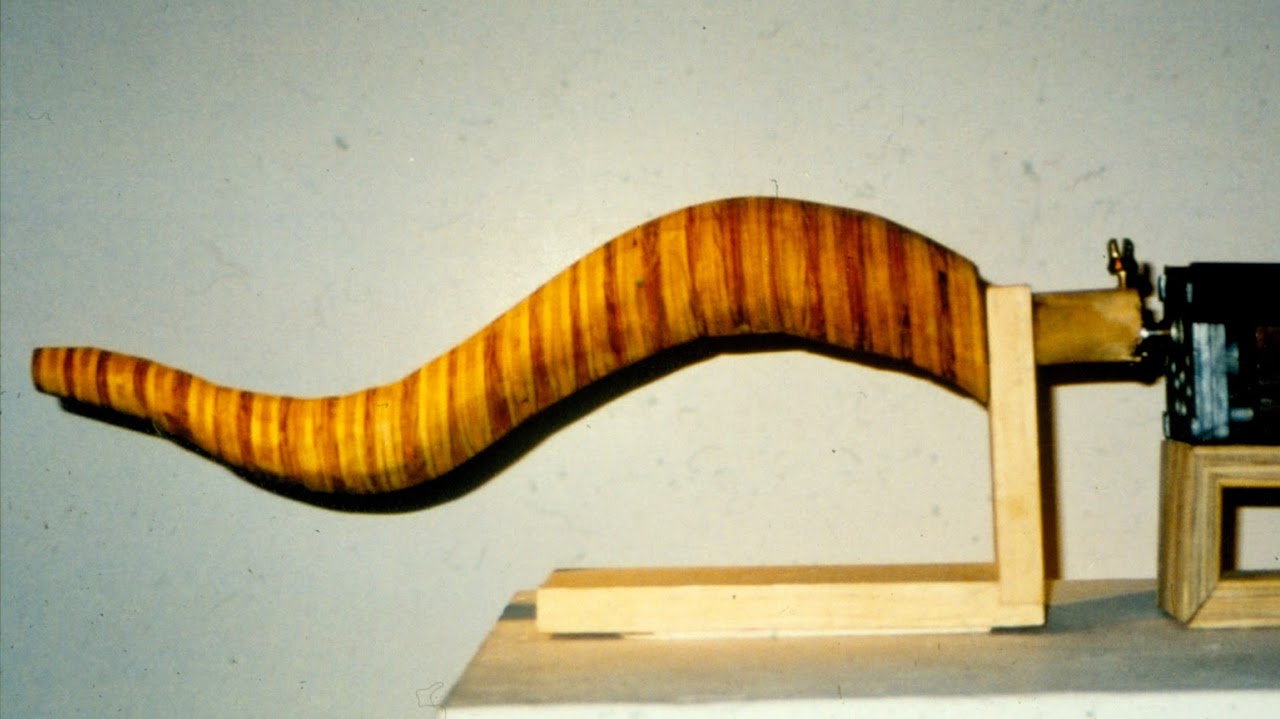
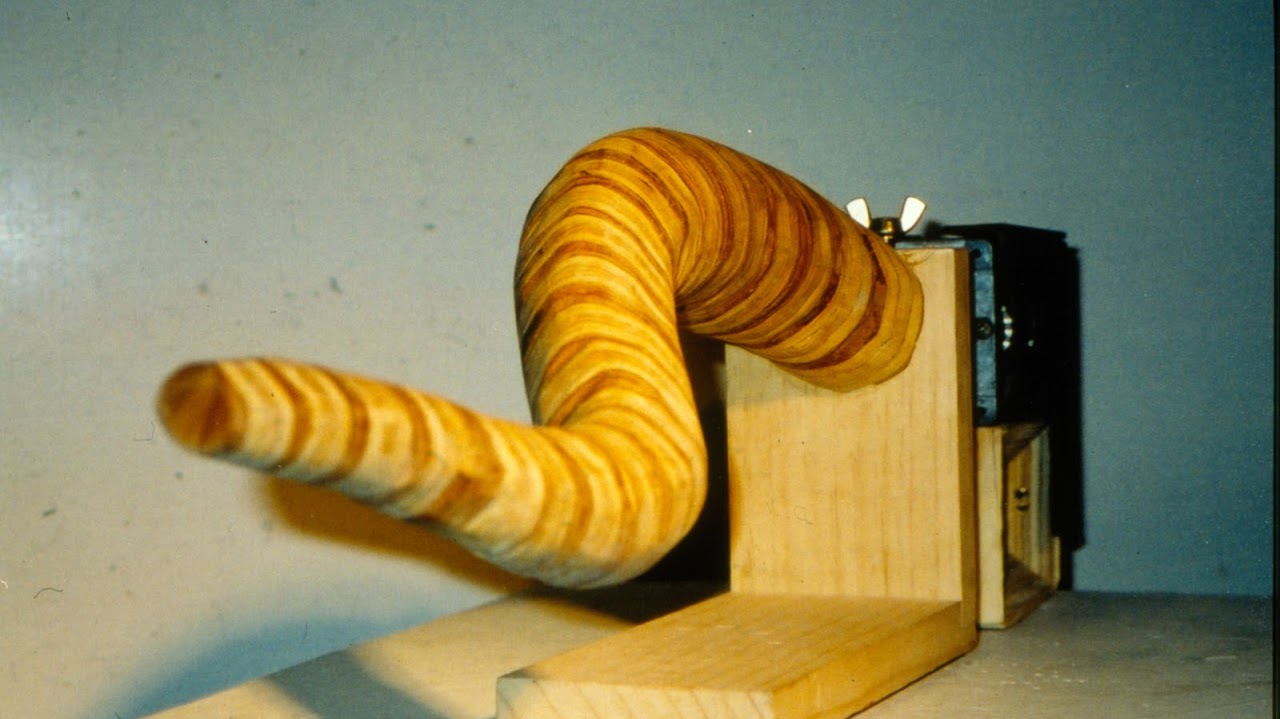
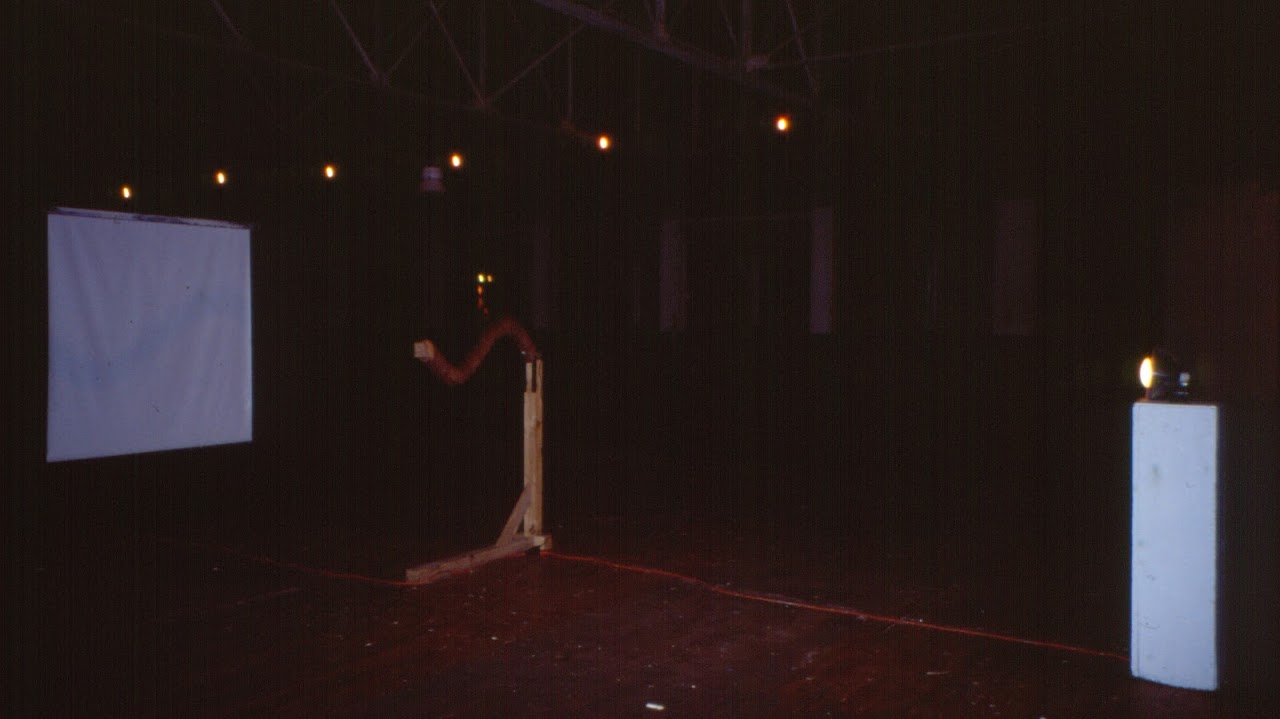
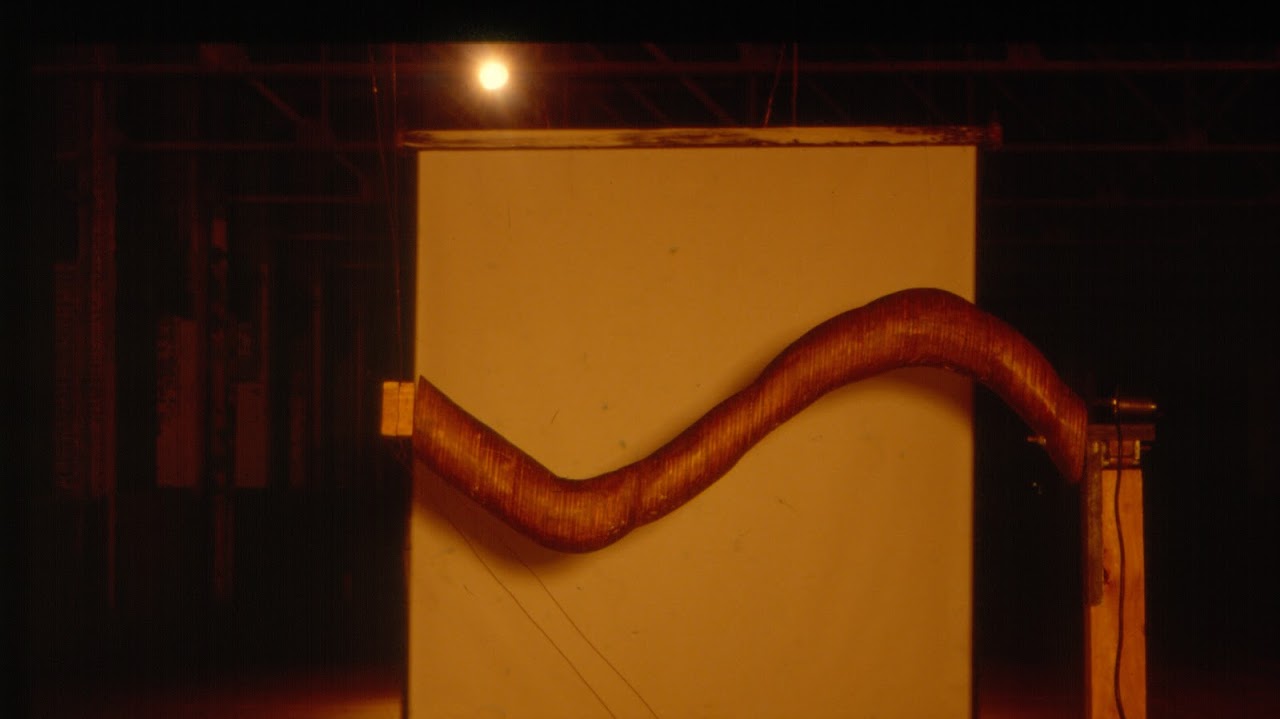
A motorized wooden sine wave that spins around the x-axis. When a light shines from behind it onto a cotton scrim, y=sin(x) decays to y=0 and then amplifies to y=-sin(x). Installation at the Ix Building, Charlottesville, VA.
STRING CATHEDRAL, AFTER SANDBACK, 2004
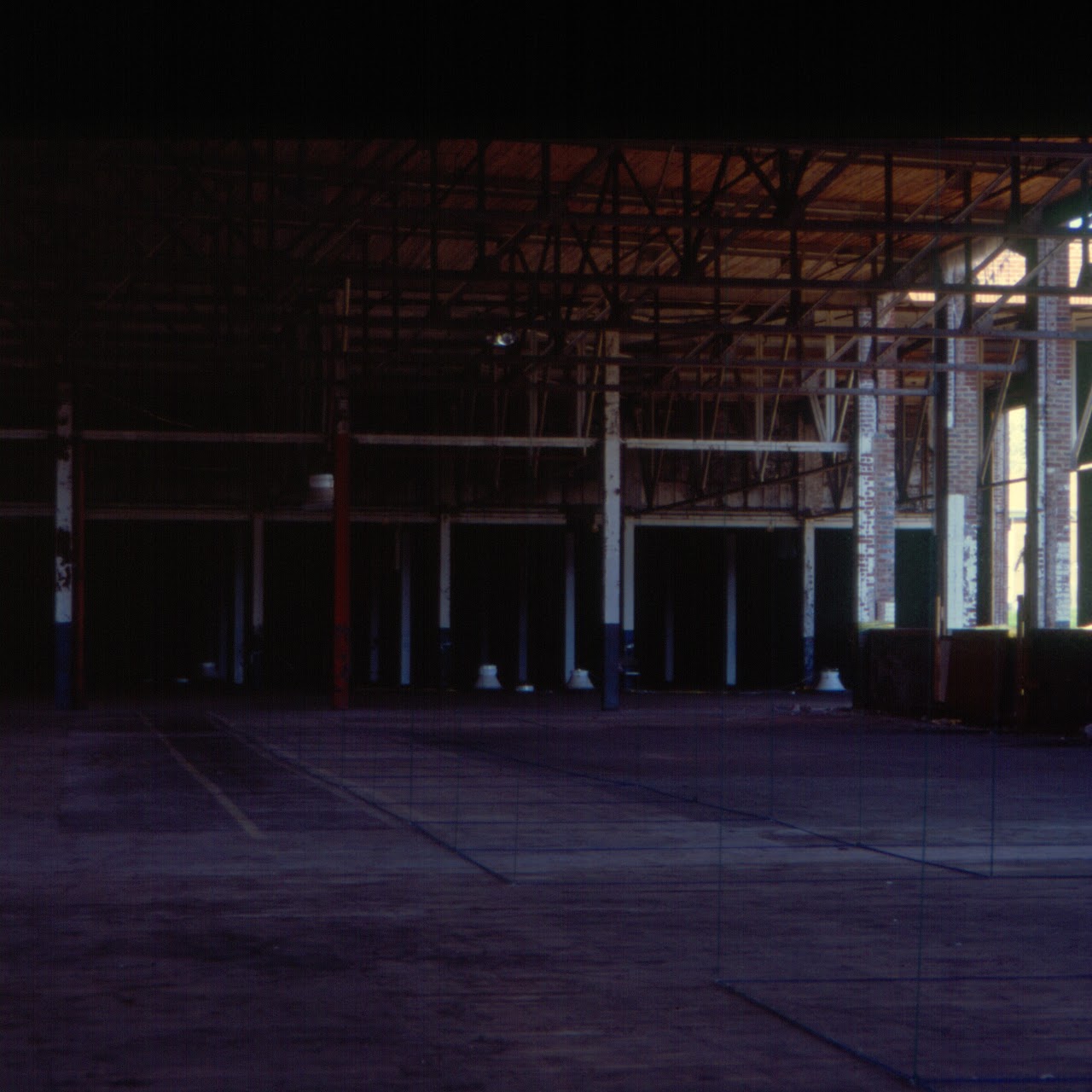
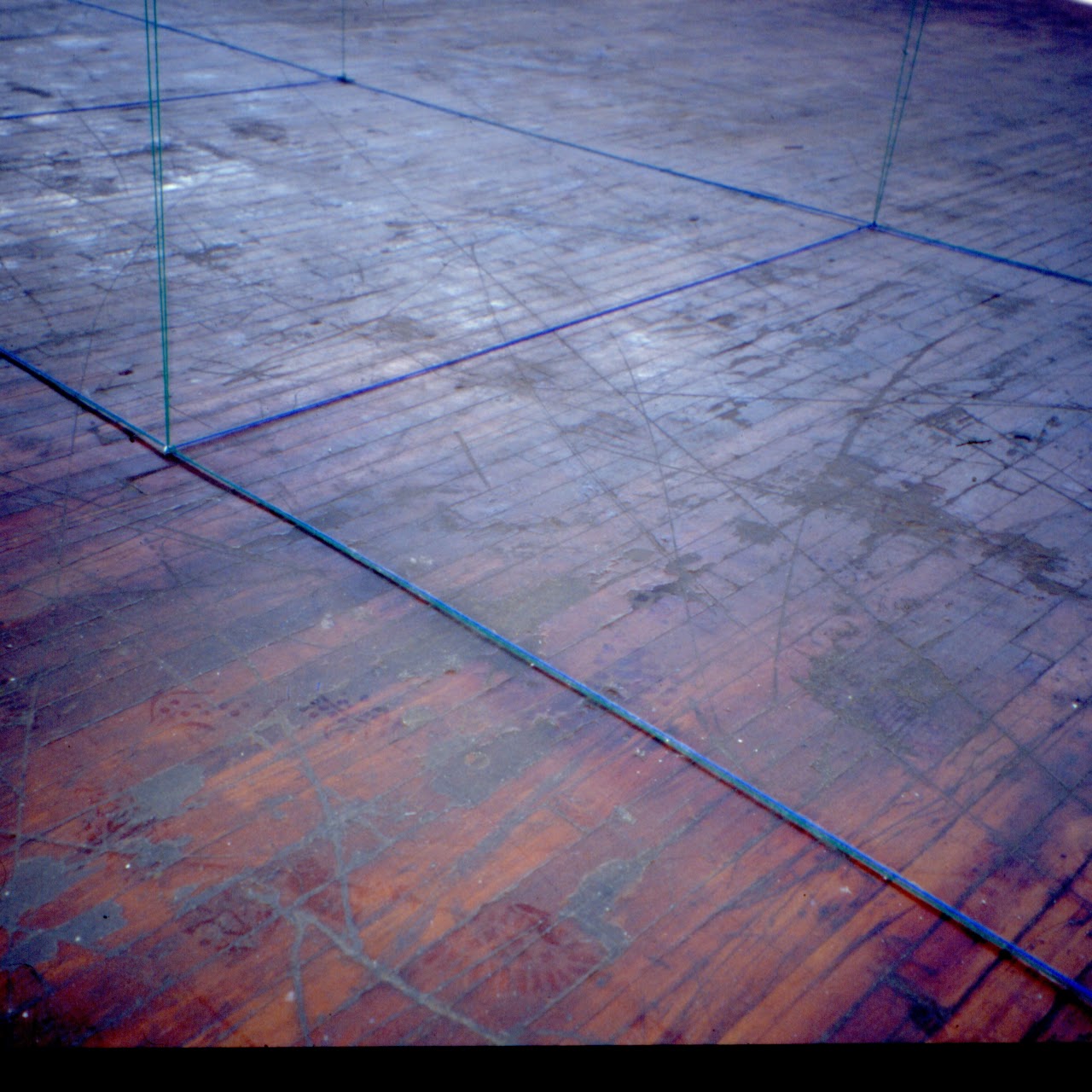
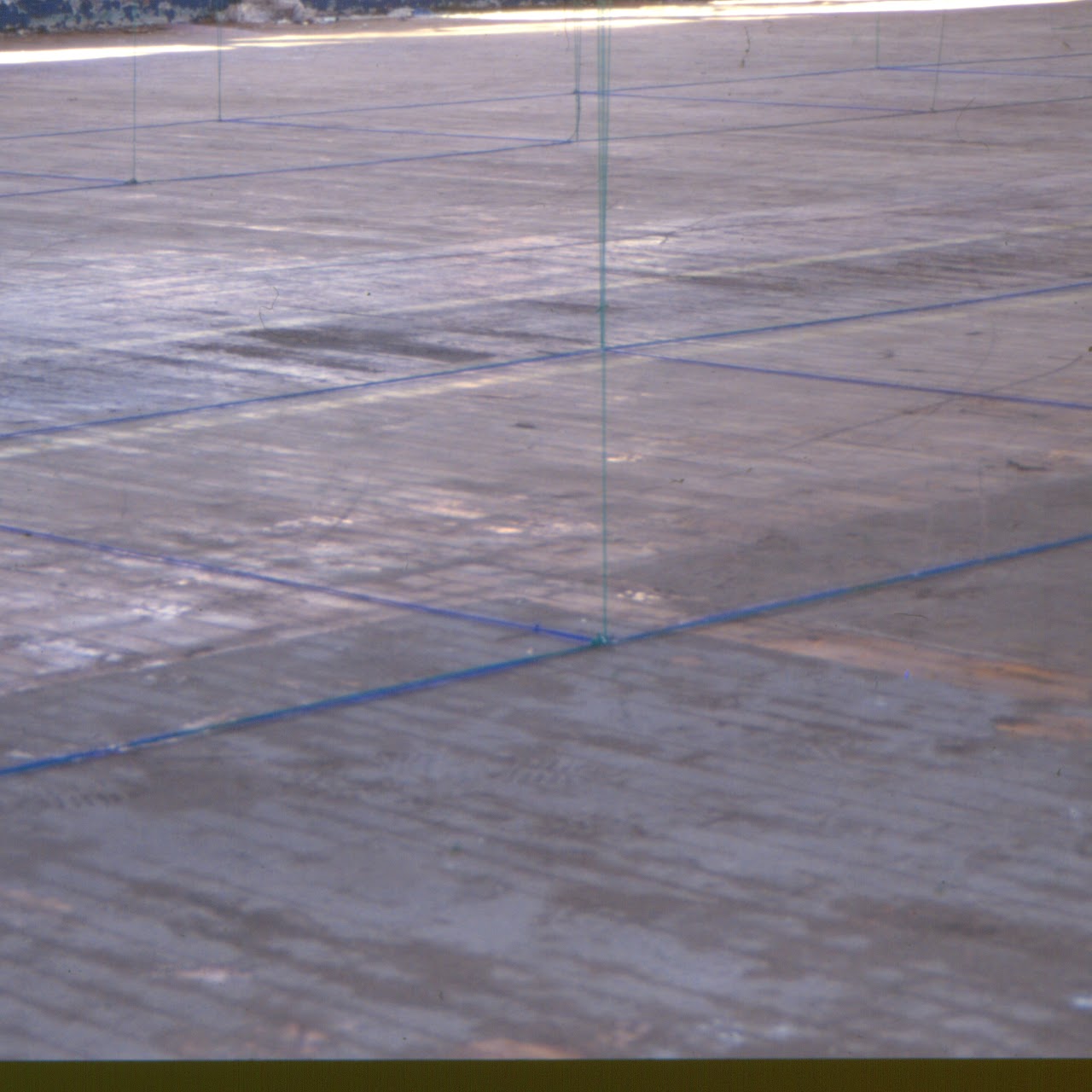
A 1/20th scale recreation of St. Peter’s in Rome articulating the nave and transepts in Fred Sandback-style string geometry. Installation at the Ix Building, Charlottesville, VA.
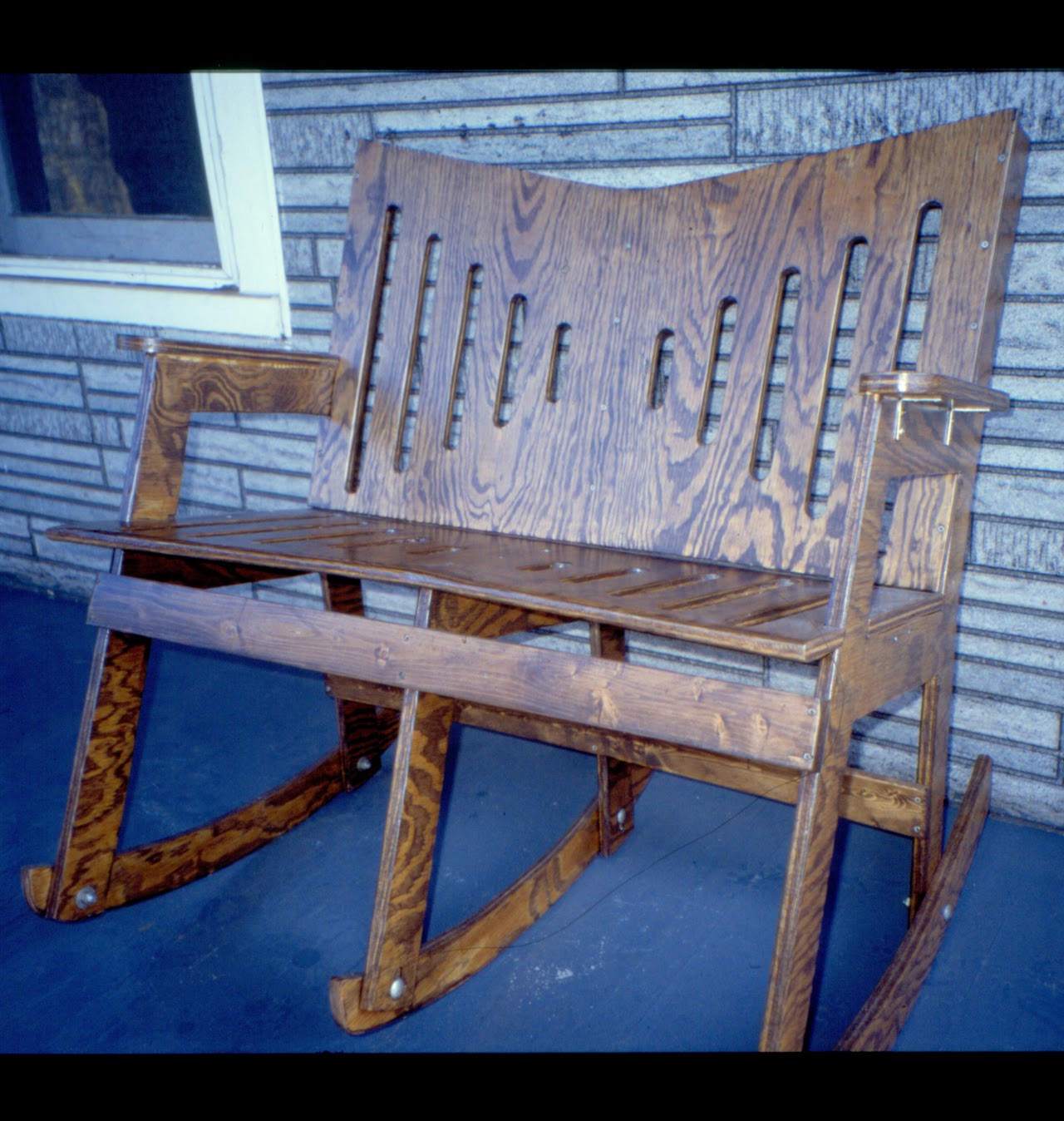
ROCKING LOVESEAT, 2003
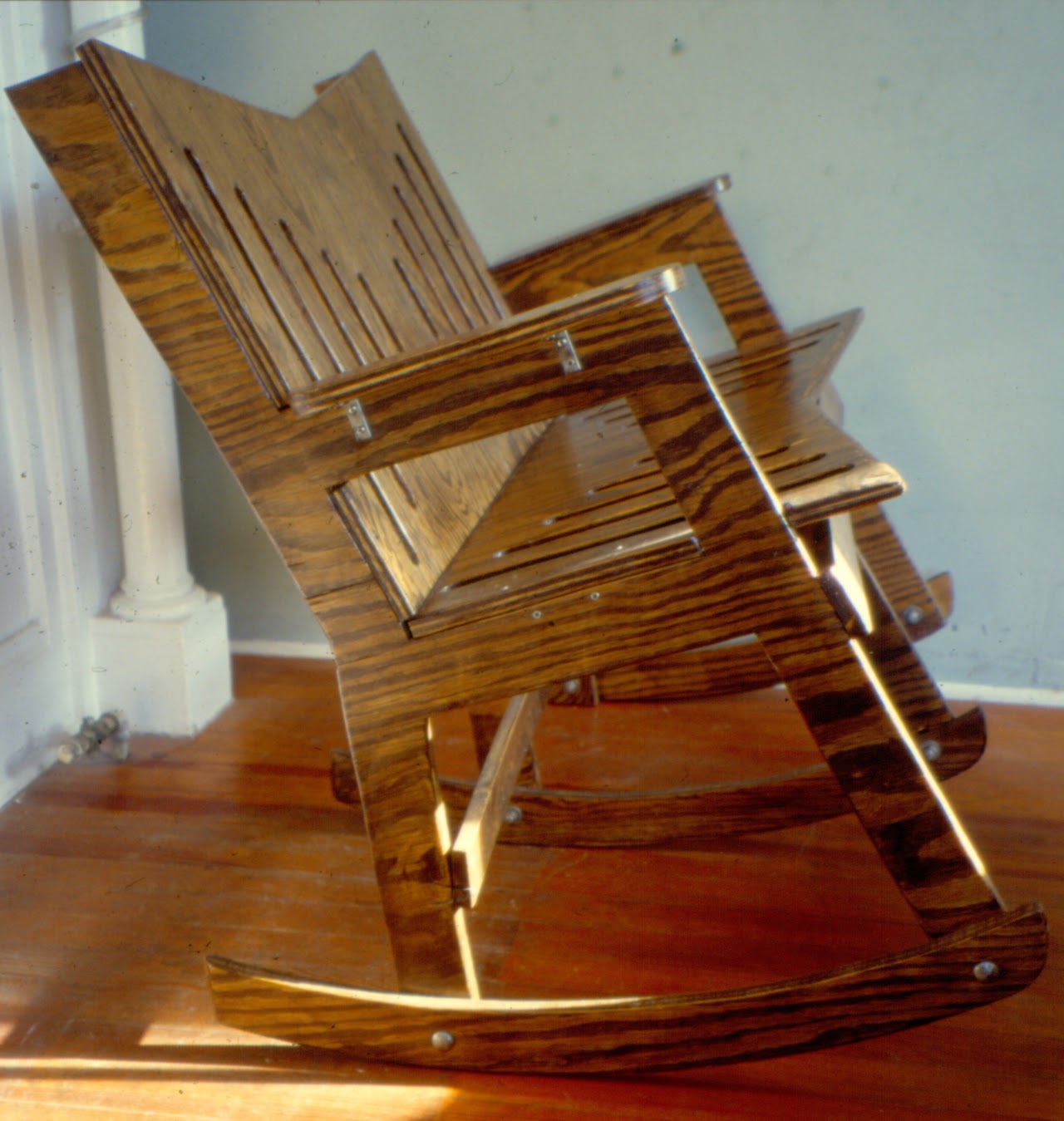
This love seat was made from one sheet of plywood. Pictured at Graves Street, Charlottesville, VA.
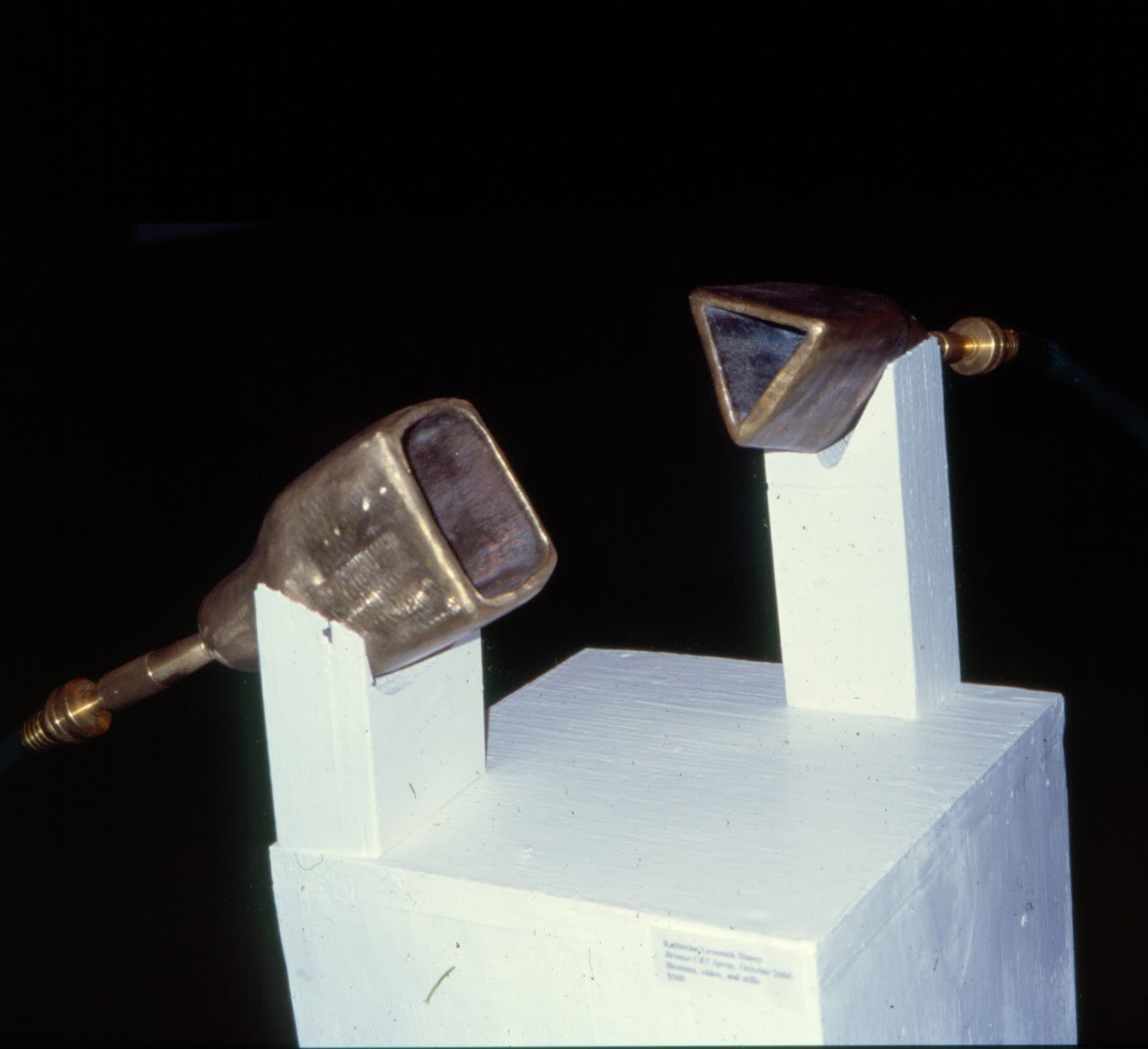
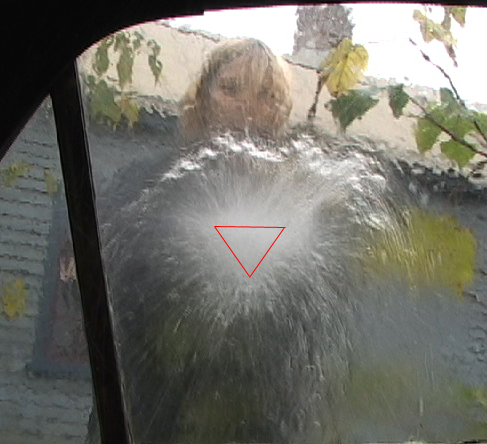
CRT, 2002
ARCHIVE
Middle School Play and Learning: Writing with McMurrich Teachers ● Nov 23, 2023
Is there anything better than playing to learn? Kamla Rambaran and Zelia Capitao-Tavares from Ontario, Canada, shared their middle school teaching methods involving intentional play, a mindset and method they learned through the Canadian Playful Schools Network (CPSN). I helped them document their methods and thinking by ghost writing two papers with them:
McMurrich Play- Inventive Teaching Practices to Strengthen Formal Learning
In the first, I aligned the teachers’ play-based teaching to CPSN’s domains of Green Play, Screen Play, Machine Play, and Everything-in-Between Play. Then, I identified the activities, environment, facilitation, and learning indicators that correlate to Petrich, Wilkinson, and Bevan’s chapter, “It Looks like Fun, but Are They Learning?” in Honey, M., & Kanter, D. (2013). Design, make, play: growing the next generation of stem innovators. Routledge. The result is a robust documentation of their whole curriculum, highlighting activities and teaching actions that support their play-based learning strategy. The first page of the chart is below:
For the second paper, I addressed how Girls Who Game (GWG) at McMurrich supports student skills and STEM self-perception , which can be linked to higher STEM interest retention for middle school students.
Thank you to Kamla Rambaran and Zelia Capitao-Tavares for allowing me to get to know and learn from their playful teaching practices!
These papers are shared with the permission of Kamla Rambaran, Zelia Capitao-Tavares, and Advanced Learning Partnership.
FACILITATE SPACE: MAP, 2004
SPINNERS, 2003
LCD DISPLAY, 2005
CURTAINS, 2003
RESONANCE EXPERIENCE, 2019
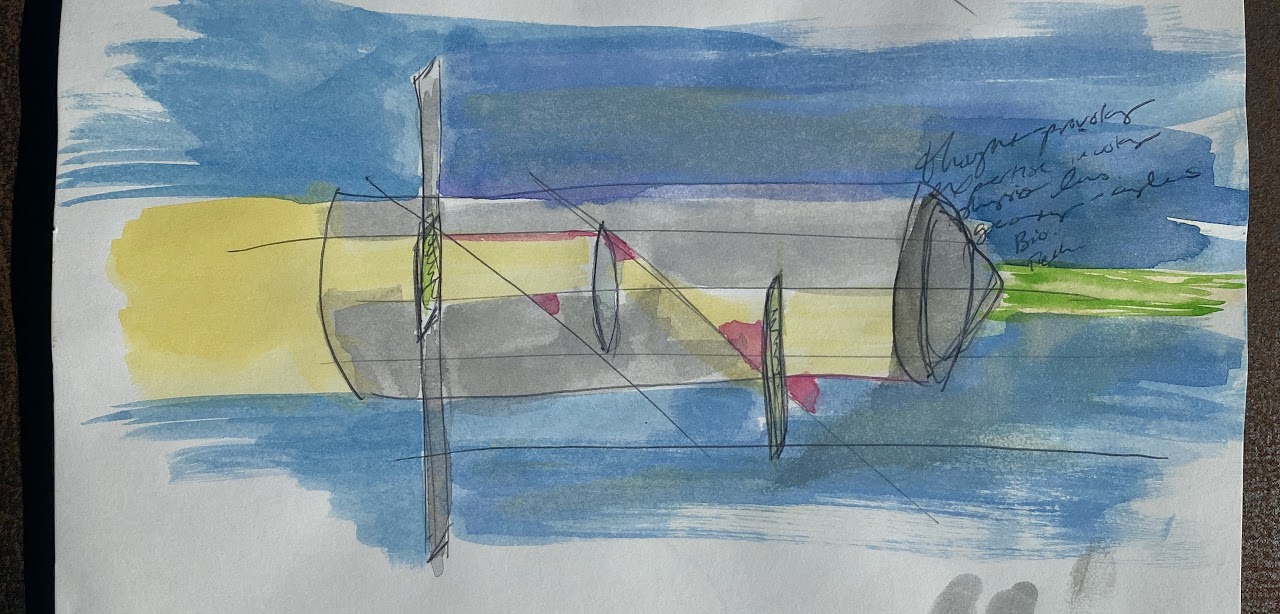
ICE CUBE NEUTRINO TELESCOPE INSTALLATION DESIGN, 2018
This month, I started leading the IceCube Afterschool internship again, and was asked about my trip to the South Pole. That got me wondering what was still around on the internet about my trip to the IceCube Neutrino Observatory at the South Pole.
What a treat it was to find this video from the University of Virginia Magazine and reminisce about my trip 11 years ago. I love that classroom, I love those students, I love James Roth (Solar S’mores cameo), I love everything about this. You can still explore my journals and photos on PolarTREC.org, which is where the tinyurl in the video would have pointed you.
Use integrated-STEAM instruction to accelerate students past COVID's learning losses ● June 24, 2020
Overview
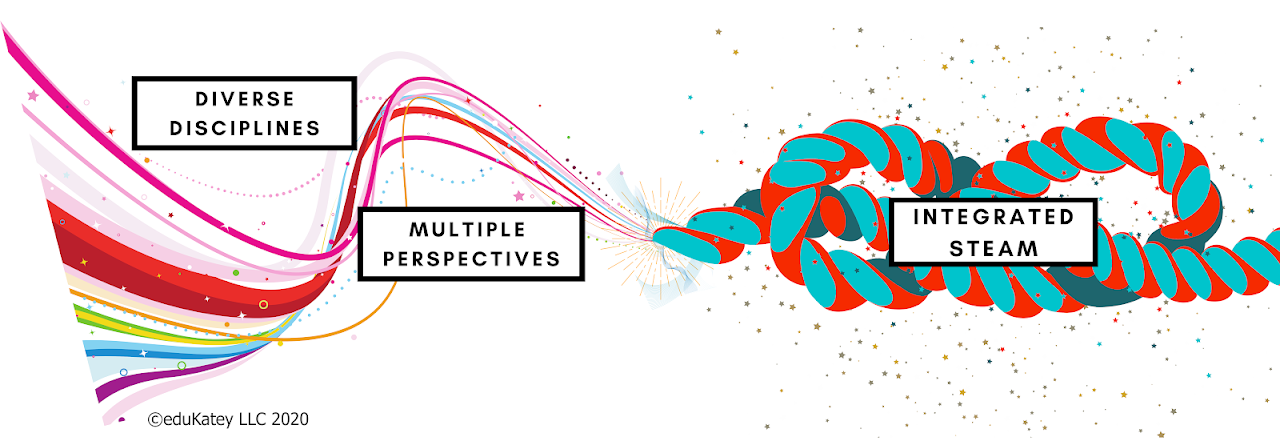
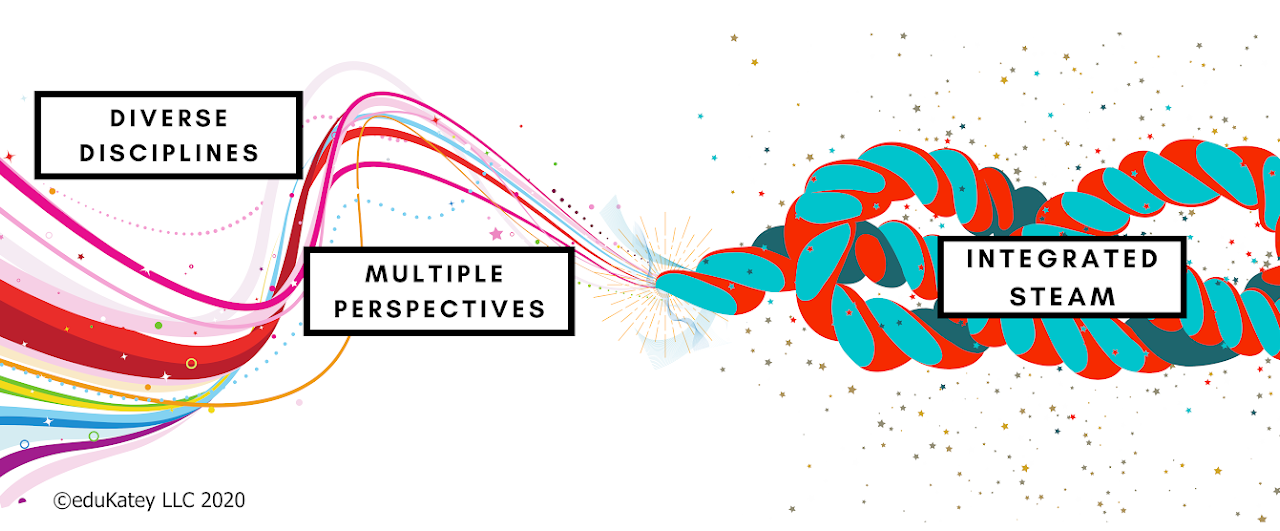
Across the country, parents, teachers and students are all wondering what will happen next fall. Will students return to classrooms in schools or continue to work from home on online platforms? No matter what, we’ll have some catching up to do due to losses and gaps in learning caused by the COVID-19 crisis. Integrated-STEAM instruction can help by accelerating student learning across and within core and elective disciplines by keeping students engaged in learning for longer intervals of time and in more connected ways. Integrated STEAM education works like a rope to strengthen learning opportunities. The resulting braided instruction is stronger than the sum of its parts. In 2020, teachers have the unique opportunity to mainstream integrated-STEAM pedagogy to accelerate student engagement, learning, personal expression, and problem-solving mindsets.
What’s the problem?
“Back to school” 2020 will be different from every teacher’s normal expectations because of this year’s inconsistent schooling and the trauma of the COVID-19 crisis. Students, no matter where, will not be as prepared as in previous years because a full quarter of their last school year was disrupted. The amount of disruption and lost ground will be even worse in places where students had less access to technology and technology-compatible instructional strategies. Next year’s teachers will need to grow relationships with their new students, evaluate and interpret their student readiness and interests and vary their instruction to tailor learning opportunities based on a wider range of students’ prior experiences than ever before.
What could go wrong?
Teachers may “return to normal” and try to execute instruction as usual next year but their usual instruction might not meet student needs. Schools might go to half time, or swapping students in alternate days. This shortened time in seats will mean that teachers cannot achieve their usual programming due to lack of time. If classes are online, then there will be choices between synchronous and asynchronous work. Without intentional instructional shifts, learning will happen in pieces, potentially unevenly, creating further gaps in student development. Courses will be learned in isolation, and students will have to switch gears completely to go from one virtual learning moment to another causing fatigue, frustration, and discord.
How can integrated-STEAM education help?
Integrated-STEAM instruction marries individual subjects by presenting a rich challenge to students who will need to learn about and use content and processes from every subject area to solve. Design challenges involving art, engineering, coding, invention, local needs, climate change, or social issues can all be used to tether together diverse content instruction. Integrated-STEAM education will combat the unprecedented losses and gaps of 2020 by providing a sustained learning experience to encourage knowledge transfer and choice-filled student-centered options to meet student readiness and interest needs.
As students work on a STEAM challenge from within various perspectives over time, their minds remain pinned on the challenge for a longer duration than a single class segment. Staying active in the learning process is an important part of learning. Teachers use activation and priming to root new knowledge to students’ existing schema and reflection to secure new content before closing the learning episode. In regular instruction, this opening, learning, and closing could happen in every one of seven classes a day creating compartments of knowledge at the same time as we’re expecting students to demonstrate learning by transfer.
Integrated STEM instruction opens the boundaries for knowledge learning and transfer and then keeps them open even as students focus on diverse content areas. Students stay in an activated learning mindset for much longer time. All of the content form across various disciplines are more likely to tether to one big tree of related understanding instead of siloes. Students are asked to seek and use connected learning to solve the challenge, promoting natural sites for transferring knowledge.
Integrated STEAM curriculum with solid objectives but no “Right” solution allows students to make choices about their learning, to bring in their own creativity, and to investigate their own interests. Students can seek and discover mastery in a variety of ways in STEAM challenges, and teachers can guide or mandate content as they choose. Demonstrations of learning may still require individually articulated disciplinary objectives or may rely on assessing the application of learning to the challenge, indicating fluent use of the content instead of recitation.
Conclusion
Next year, it will be absolutely necessary for student learning time to be maximized whether in-person or online. Integrated-STEAM learning should be used as a main-stream tool to accelerate students past the gaps in their knowledge and to increase teacher’s capacity to help fulfill the promise of integrated instruction. Students will remain in the braided learning mindsets longer, permitting additional knowledge connections and transfer, and student choice will capitalize on interest and motivation.
Use the Design Process to Engineer a Student-Centered STEM Project ● March 25, 2020
I am sure you are all feeling the pressure of the Coronavirus outbreak. The map of US education is looking really bleak. But even in Virginia, where the buildings won’t open for the rest of the year, there’s still a lot of teaching going on, so I’m sure you’re all working as hard as you can muster!
I met yesterday with a group of teachers from Virginia who are going to use the engineering design process to design a final integrated STEM challenge for their students. You are more than welcome to take or modify this idea.
These teachers teach a three-year integrated STEM course (biology, chemistry, physics, design technology, engineering design, geometry, algebra II, trigonometry, and precalculus), and they want all of their students to be on the same page, so they’re going to use this process with all of their grades (9th, 10th, and 11th) but differentiate the final project requirements down in Phase 4. You’ll also see some differentiation throughout.
- Problem Definition phase: The teachers are going to send a survey to their students to gather some information about their availability, available resources, interests, their goals for next year (which science course they intend to take, etc.) and concerns. Also, their interest in continuing the space debris mitigation challenge that they were already working on.
- Design Exploration phase: The teachers will use the student data to come up with several proposals for the last unit to be done completely at home. They expect to propose that the students should invent a design challenge that is somehow related to the Coronavirus problem and related to their choice for IB science next year. For instance, the challenge could be in the realm of networking social connections (computer science), in the realm of personal protective equipment (biology), in the realm of online learning (CS?), transportation (physics), etc.
- The teachers will propose that the students can pick their own groups or work alone, that they can make a physical or digital conceptual model or working prototype, and that the students will need to record an audio + slides presentation to share for feedback.
- They will also propose resources that can be made available. Right now they’re thinking of offering videos, webinars (recorded), web resources, digital assignments and online office hours.
- The level of academic rigor expected will be to incorporate at least the depth of learning that they’ve worked on this year (kind of like a capstone) and the teachers will scaffold more particular content into the online materials depending on the grade of the student. This provides the opportunity for the students to show the utility of the knowledge they’ve been constructing. For instance, the 9th-graders are supposed to be heavier on biology (although this course is integrative and all mixed up.) So, for instance, the biology students will need to hit a significant level of depth when explaining why their design challenge is appropriate in this era based on the biological factors at play, the anatomy of the virus, say its lipid layer, etc, and why their design is too. We can imagine a physics kid who’s inventing a hand-washing waterfall would need to talk a lot about potential energy, the velocity of the water, as well as the properties of surfactants.
- The students will also need to tether their design challenge and actual design to at least one of the Grand Challenges for Engineering in the 21st Century in a compelling way (this is always a requirement in this course.)
- This school is not clear about what grades will look like yet and whether this interval may be graded or not (there’s going to be so much inequity of experience, it’s going to be really hard to suggest they be graded.) The teachers will propose self-assessment instead of grades. They will also let the students know that volunteers will be assessing their designs and that the only way to be entered into that pool will be to remain “in good standing” completing check-ins and hitting the “mile-markers” that the teachers expect to set up (such as, you need to give me your design challenge by xx, you need to select from your design ideas by xx, etc.)
- Design Optimization phase: The students will provide feedback on the proposal to the teachers.
- Design Communication phase: The teachers will construct and send the final project description doc and expectations to the students. We don’t have this yet (the conversation was yesterday) but they expect to have it together by the end of next week. The final due date on the students’ projects will be May 22 allowing for one week of reviewing by outside volunteers and peers before the last big end-of-year reflection.
If this seems like a lot, you’re not wrong, but this is eight teachers spanning three years. They usually have the kids for 4.5 hours every other day. Instead of thinking, “This is too much!” consider joining forces with your math, tech, business development, history, or other science teachers. This project idea could satisfy a lot of content areas and be extra motivating in combination.
I’m dying to know: what sorts of teaching from home are you doing if any? Are you required to do something or do you have freedom to make some choices? Feel free to be in touch if there’s anything I can do for you or your students at this time. Check out the Google sheet of engineering-related challenges that can be done at home here. Please note that there are also tabs for elementary and for Teacher Self-Care including offers for free workout stuff free journaling papers, etc.
Take care out there!
Predicted Teacher Tradeoffs When Trying Engineering ● December 5, 2019
I was reflecting today about some things I’ve noticed that can act as roadblocks when teachers are asked to integrate engineering into science. I wonder if any of these ring true for you or your colleagues?
Content insecurity–people feel like this engineering thing will require more content knowledge than they possess which will lead to them being exposed as less than absolute authority in their content area.
Instructional inefficiency–teachers feel like they’ll blow it on teaching content if they do this weird engineering design thing, which will waste their time and let their students down. Or at the very least, they think this will take longer than their usual instruction will take.
Classroom chaos–teachers fear that their classroom will erupt in noise and mess which could have real consequences for safety, for the next period which is not doing this project, or might be perceived by other staff, students, or admin that they have no “control.” Worse still, they might think that there will be so many proverbial “fires to put out,” i.e., groups to talk to, that they’ll be running ragged or leave some kids hanging.
Clearly, this is not an exhaustive list, but I do see these often! If these do sound familiar, then fear not–these are common issues and should really be seen as evidence that you’ve successfully pushed people’s thinking and challenged them beyond their comfort zones! To counter these, I think of each one as a tradeoff and try to address the issues head-on instead of pretending that they’re not a big deal.
Content insecurity is real and you might feel like you’re going to be pushed, but if that happens, admit it and let it be a demonstration of a growth mindset. Tell students that they have surpassed your expertise but you are super excited for them to come through for you with new content knowledge. They have raised the bar of your expectations–the new bar includes addressing this content gap or at least justifying why or why not it matters to their thinking and their design.
Instructional inefficiency is real too. Especially the first few times you teach something in any manner you almost certainly are less efficient than when you teach it in your tried and true way. However, the tradeoff with engineering design, as with PBL or inquiry or individual research, is that the learning is so much deeper and more interconnected to students’ other thoughts and knowledge. And that’s definitely worth it. Don’t forget that your measures of learning might need to flex to see this level of complex thinking. Consider asking for concept maps and analysis of real-world novel problems on your assessments in addition to the straight-forward traditional questions.
Last one, classroom chaos is real too! It will feel nuts! Take a proactive approach to mitigate the chaos:
- Tell your admin ahead of time that you’re doing this awesome thing and it will be chaotic. Tape a “Designers at Work” sign on your door.
- Try having the materials that kids can use out already so that you’re not running to and from the supply closet. If it’s not out, it’s not available.
- Try making an instruction sheet for the equipment your using and have one at each lab station. They should consult that sheet before bothering you to ask where the On button is.
- Or grab one person from each group to demo the equipment with and then send them back to their groups. If they get stuck, tell them to ask someone else who was at that small meeting before they come to you.
- Knowles Instructor Corinne uses green, yellow, and red Solo cups to indicate: “We’re cool and coasting”, “stop here when you can,” and “ROADBLOCK!” respectively. Then the kids are in charge of reflecting on their problem, not just stopping and quitting.
- And most importantly, try to remember that YOU aren’t solving the problem for them, the point is THEY are solving the problem. Feel free to say, “I’m not answering that for you” instead of trying to break it down on the spot. You can even say, “I’m under defining this on purpose and won’t offer help” ahead of time. Their creative brains will take over if you set the expectation that they must engage.
PBL and Engineering Compatibility? ● August 2, 2019
Boston teacher Mark Soo asked the following question about PBL, Shared with Mark Soo’s permission:
“Hi Katey,
“I attended the mini PBL session this Summer Meeting, and the project I was working on involves students creating a transportation plan for the city of Boston. I’m planning on asking them to come up with criteria to evaluate different transportation solutions, weight those criteria according to what’s most important to them, and then apply the criteria to choose a “best” solution to the problem. Brian indicated that you might have some expertise that I could use to help me out.
“At the end of the mini PBL session, I have a rough project idea, an analysis of the science practices I want students to use, and a rough outline of the content I want students to understand. If you have any suggestions for planning or implementation, I’d love to hear them!
“Thanks for your time,
“Mark”
Hi Mark,
I like your idea! It feels pretty huge though, so I suggest you also consider using constraints and criteria to help limit the problem space they’re working in. By this I mean, you can give them the chance to come up with their own priorities in addition to ones that you use to rein it in. I’m attaching an example of this where someone said “it has to go at least 1.5m and be videoed for the whole flight” and then had students choose from among the two options: be as accurate as possible, i.e., hit a target, go as far as possible. She didn’t want them doing “As high as possible” because they might want to go outside, etc. It was a strategic move. See what I mean? If you like the format, there’s a blank one for you to adapt here (all links to tools point here: https://sites.google.com/knowlesteachers.org/knowlesengineering/tools-for-teachers).
You might want to check out some of Knowles Engineering’s tools for teachers. I know this is a PBL project, but you can definitely use PBL strategies and engineering strategies together. For context, Knowles engineering generally follows a four-phase design method and some PBL routines are embedded within each of the four phases. For instance, in this inputs/outputs document. we show what a student might receive to work in a particular phase, what they might be doing during each of the phases, and what the output of their decision-making in that phase might be,
You’ll see that in the first phase of the design process, problem definition, they are making a PBLish know/need-to-know doc to help them organize their thinking about the problem, but that’s not the only thing they can be doing to better understand what they’ll need to do. We’ve developed tools for basically everything mentioned in there, but most of them are also google-able, well-known techniques that you, or your students, could select among.
Just one more thing, because I’m sure this is plenty!, you might find our complexity rubric useful. As you plan I’m sure you’re going to be thinking about differentiation and how you’ll scaffold for all students to succeed, but that might be hard and even intimidating to the point of paralysis. The complexity rubric is designed to help you think about the amount of student demand versus teacher-provided resources that you deploy in a design challenge, essentially changing the cognitive load on the students. “Novice” and “advanced” are really not about the status of your students or the project’s success as an engineering design challenge, so please don’t feel like you need to be advanced all over the place. The rubric items are about student lift, and listed to provide you a chance to reflect on where you’re asking them to exercise independence and where you’re supporting them more. It will be natural to have some turned up and some down. If you have very independent students, you might ask them to do the more advanced version of one row while you scaffold the novice version with other kids.
We do have a rubric for the design process. If it helps you, awesome. It’s not a rubric for the final output, but provides some language for expectations various moments in the unit, including a reflection moment, which is important for synthesizing the whole project from a learner stance. This whole rubric is pretty dense, so we recommend using a line of the rubric here or there, maybe adding one line to your own rubric, or having students use a few lines as a reflection prompt.
I hope some of these ideas or other tools on our site will help you! Let me know if you have more questions, please. Or if I’ve missed the mark and you’re looking for help in another way, just email back and let me know.
ICECUBE AFTERSCHOOL INTERNSHIP
Returning for a second year in 2022, I am leading the online winter-time IceCube Afterschool Internship for WIPAC, an opportunity for high school students to hear from astrophysics experts, learn about coding, and design an interactive teaching tool about IceCube. Watch all the recorded lectures on the IceCube Afterschool website.
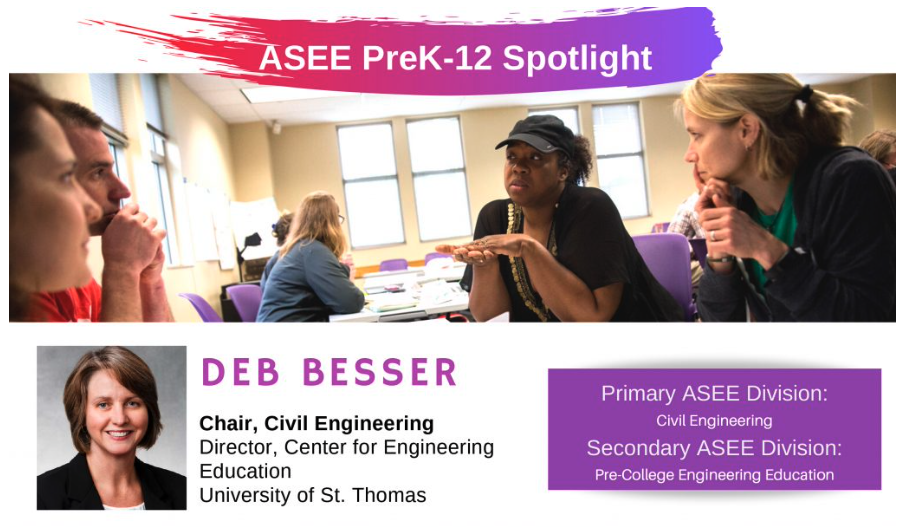
ASEE COMMISSION ON P-12 SPOTLIGHTS
I’m having such fun making the graphics for the ASEE Commission on P-12 Engineering Education’s monthly spotlights! Congrats to the worthy recipients.
See them all here.
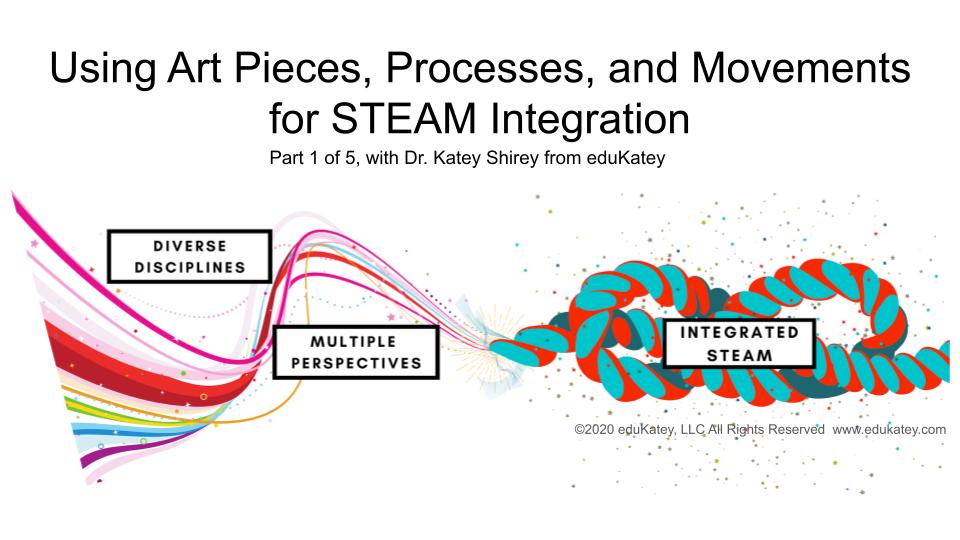
INTEGRATED-STEAM VIDEO SERIES
The second video in the video series focuses on my favorite art processes for integrated STEAM. Other videos in the series target art pieces, art movements, and my perspectives approach tool. Check it out!
PHYSICS + SPORTS
Dr. Keith Hargrove (TN State University) and I ran a four-day summer camp about physics and sports for summer 2021.
Check out our website! Contact me if you would like a reprise or any materials to lead your own physics + sports camp.
Photo by Barna Bartis on Unsplash
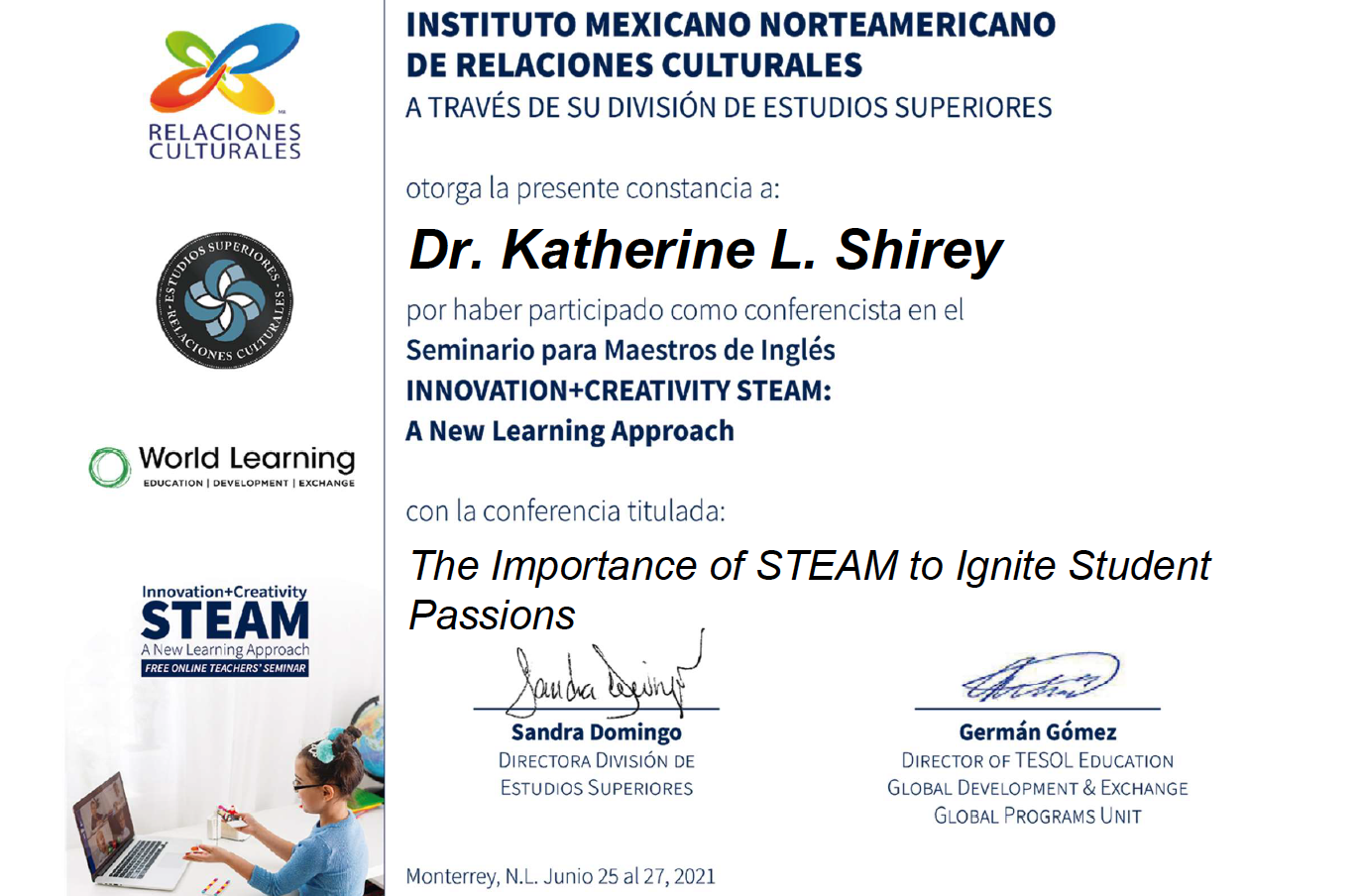
The Importance of STEAM to Ignite Student Passions
Conference presented by Instituto Mexicano Norteamericano de Relaciones Culturales, División de Estudios Superiores, Licenciatura en la Enseñanza de la Lengua Inglesa (Monterrey, Mexico, June 2021).
KYRGYZ STEM
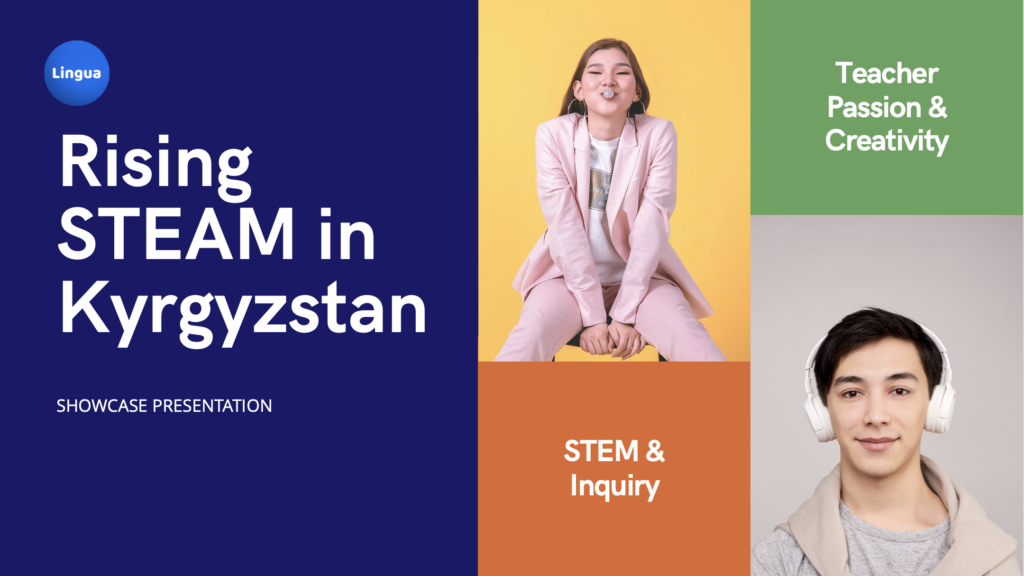
In 2021, I taught a remote course on STEM Education to teachers in Kyrgyzstan through Lingua Innovative Education and it was AWESOME! Lingua shared a few videos about the program. Here is one from our third module where we were discussing inquiry methods. See more videos on Lingua’s YouTube page.
Best practices in STEAM (BP-STEAM)
BP-STEAM was a US Embassy sponsored, World Learning organized course for Egyptian teachers in spring and summer 2021. I had the pleasure of training the talented BP-STEAM trainers in this TOT or training of trainers, organizing a USA-Egypt teacher exchange, and leading three webinars: PBL, engineering, and STEAM.
UL Xplorlabs webinars
During COVID & 2020, I presented webinars for UL Xplorlabs on using their innovative online learning modules in STEM education. What a pleasure to be involved with this ambitious project! You can watch the recordings here.
STEM HUB EGYPT
With World Learning, I helped The STEM Hub Egypt design online and future in-person integrated STEM experiences for Egyptian youth on coding, electronics, Arduino, and graphics design. We also developed a facilitator support plan. Just look at what the kids accomplished!
IceCube @ Upward Bound
Since 2009, I’ve had the privilege of working with Upward Bound students from St. Paul, MN almost every summer through a partnership between the IceCube Neutrino Telescope, Univ. of WI – River Falls, and Upward Bound.
This year, we taught students the foundations of computational thinking while they learned to code a personal expression of their experiences in 2020 and hopes for 2021. Shout out to co-facilitator Jocelyn Argueta.
Bioengineering as a Vehicle to Increase the Entrepreneurial Mindset (Chapter)
Solicited by Scribner and Co-authored with Dr. Lisa Bosman, this chapter introduces readers to bioengineering and bio-inspired design as a way to increase the entrepreneurial mindset through integrated STEAM education. In press 2022.
COMPUTATIONAL THINKING AND CODING
Explore computational thinking modules while learning to code! Please ask me about using my 10-day coding and computation thinking short course with your students. Co-created with Dr. Magesh Chandramouli from Purdue University Northwest.
EDUKATEY BLOG
My eduKatey blog is bringing my ideas and methods to more teachers. Click the image above to take a look.
Integrated STEM
I’m writing a book about integrated STEM instruction for high school and how YOU can do it. The book will include structures to alleviate common teaching concerns and 15 sample integrated STEM units spanning grades 9-12.
Engineering Leadership
I served on the Knowles Engineering Leadership Team (LT) which strives to increase American students’ problem-solving agency by bringing engineering design into math and science classrooms.
Knowles Academy
From 2016 to 2022, I helped the Knowles Academy by providing professional development services on engineering integration to teachers across the country.
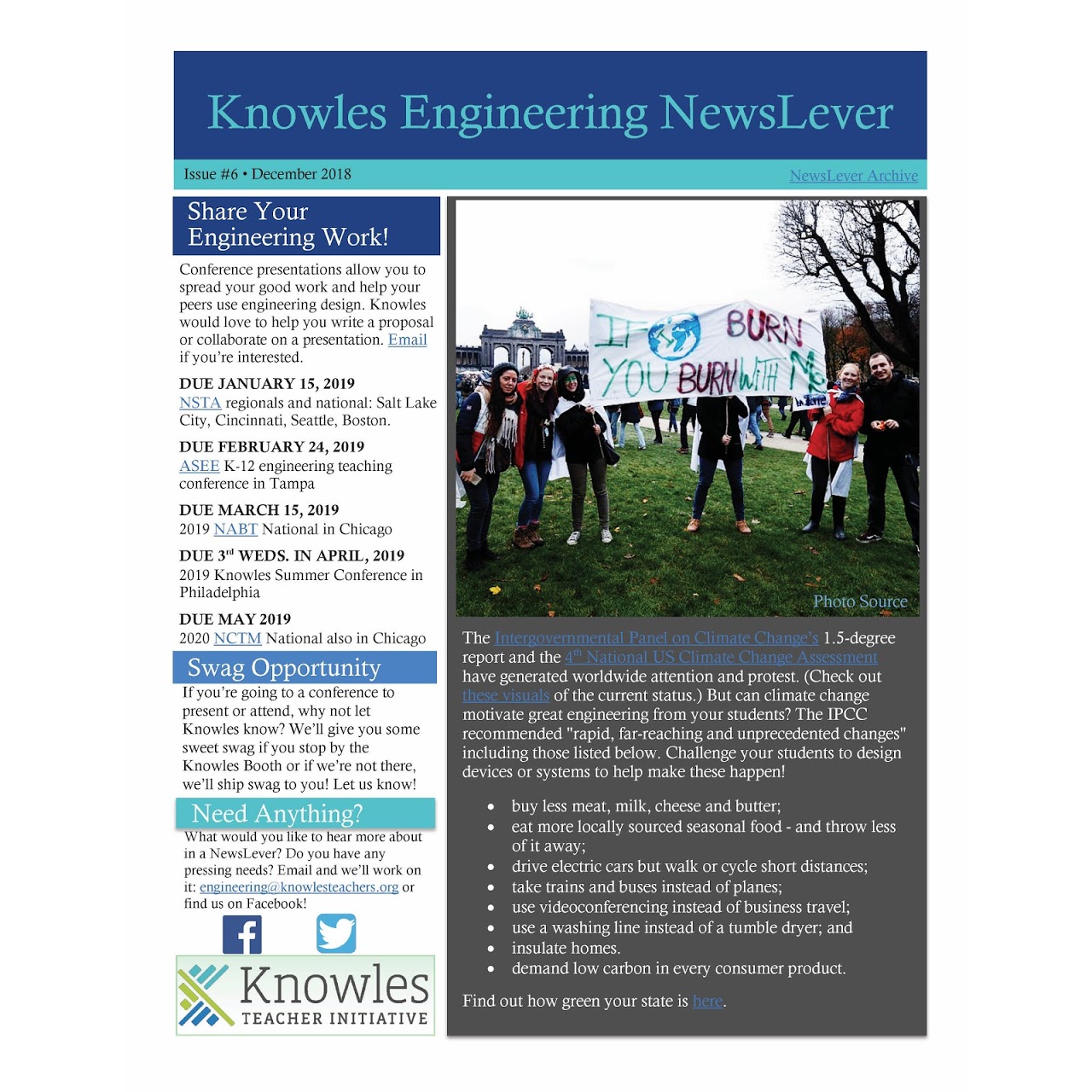
NewsLever
Check out the Knowles Engineering NewsLever newsletter for interesting and relevant resources to help you use engineering design to teach math and science content. This project sunsetted in 2018.
ASEE PCEE
I served as the 2020 Paper Chair for the American Society for Engineering Education’s (ASEE) Pre-College Engineering Education (PCEE) Division, as a member of the ASEE K12 Commission, and as a PCEE rep to ASEE’s Diversity, Equity, and Inclusion Commission.

#ASEEYIRE
The American Society for Engineering Education is dedicating 2021-2022to a Year of Impact on Racial Equity. As a member of ASEE’s Commission on Diversity, Equity, and Inclusion, I have contributed social media posts and videos to raise awareness of the #ASEEYIRE and improve K-12 student knowledge of engineering majors and careers. Please find #ASEEYIRE on Twitter, Instagram, or Facebook, and don’t forget to answer, like, share, and follow!
IceCube at the south pole
I was an alternate to be the 2019 PolarTREC teacher-liaison to the IceCube Neutrino Observatory at the South Pole. This would have been my second visit to the Pole with IceCube. Keeping my hopes up for the future!
WArd 1 ed council
From 2019-2023, I served on the Washington, D.C. Ward 1 Education Council and led the Ward 1 Ed. Council logo creation effort.
ARCUS
From 2017-2020, I served on the Antarctic Research Consortium of the United States (ARCUS) Education Committee, assisting ARCUS with identifying and funding significant Arctic and Antarctic-related educational opportunities.
E4USA
I worked with Engineering For Us All (E4USA) in 2019 by writing curriculum and planning teacher PD. Teachers across the country will pilot this exciting NSF-funded effort to teach engineering to all high-school students. My involvement was updated in 2021 when I joined the Professional Learning team.
Creating Adventure
Hiking, cooking, painting, sewing, working out. I am busy with 10-mile races, pirate jackets to sew, socks to darn, and mountains to climb with my husband Ross and my dog Molly.